Looking for a Manhattan neighborhood where your daily routine feels a little more inspired? Chelsea near the High Line offers that rare mix of art, open space, and housing variety that can make everyday life feel both convenient and distinctly New York. If you are considering a move, investing in the area, or simply trying to understand what living here actually feels like, this guide will walk you through the block-by-block character, housing mix, and day-to-day rhythm of West Chelsea. Let’s dive in.
Why the High Line Shapes Chelsea Living
The High Line is not just a well-known park nearby. In West Chelsea, it is part of the neighborhood’s planning framework and a major reason the area feels the way it does today.
The Special West Chelsea District was created to support a dynamic mixed-use neighborhood, encourage residential and arts-related uses, and preserve the High Line as accessible public open space. That matters if you are thinking about living here, because the park is woven into how the neighborhood has grown, how buildings relate to the street, and how people use the area every day.
The park itself runs 1.45 miles along Manhattan’s West Side, from Gansevoort Street to West 34th Street between Tenth and Eleventh Avenues. In practical terms, that gives residents a long, elevated path for walking, relaxing outdoors, and moving through the neighborhood in a way that feels separate from the usual city pace.
What Chelsea Feels Like Block by Block
One of Chelsea’s biggest strengths is that it does not feel one-note. The neighborhood shifts noticeably as you move west, and that variety is a big part of its appeal.
East of Tenth Feels More Residential
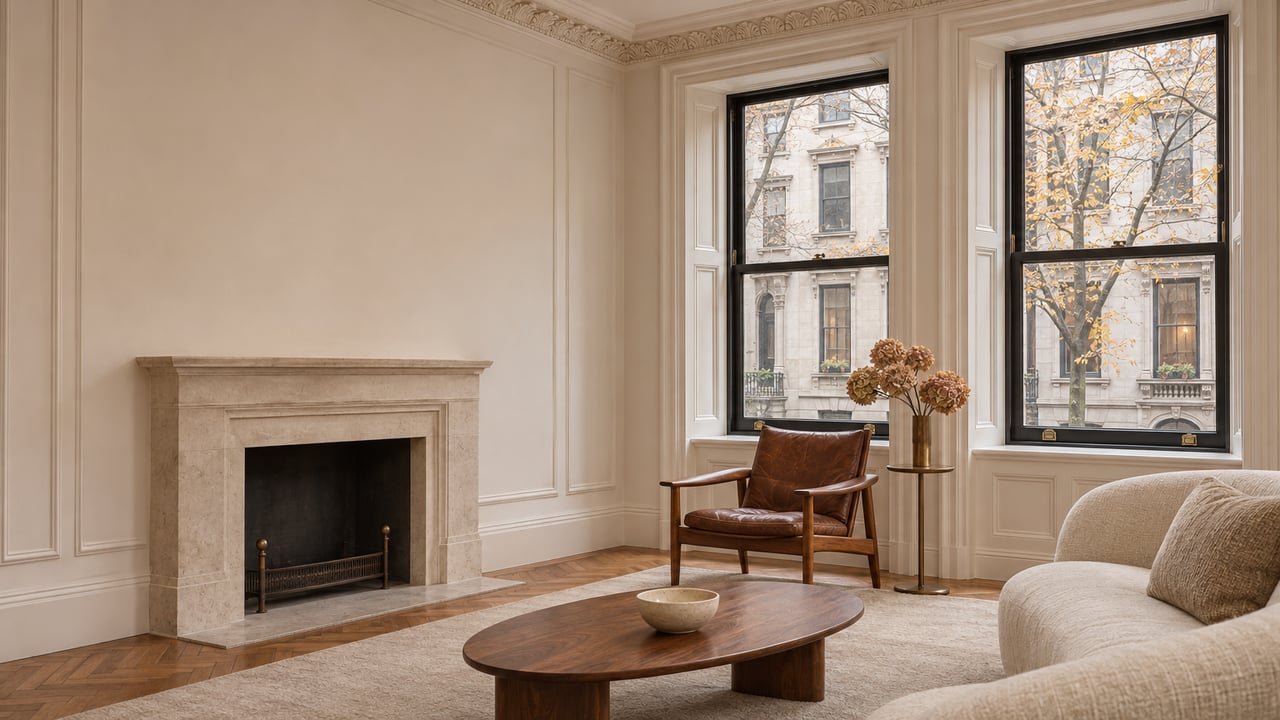
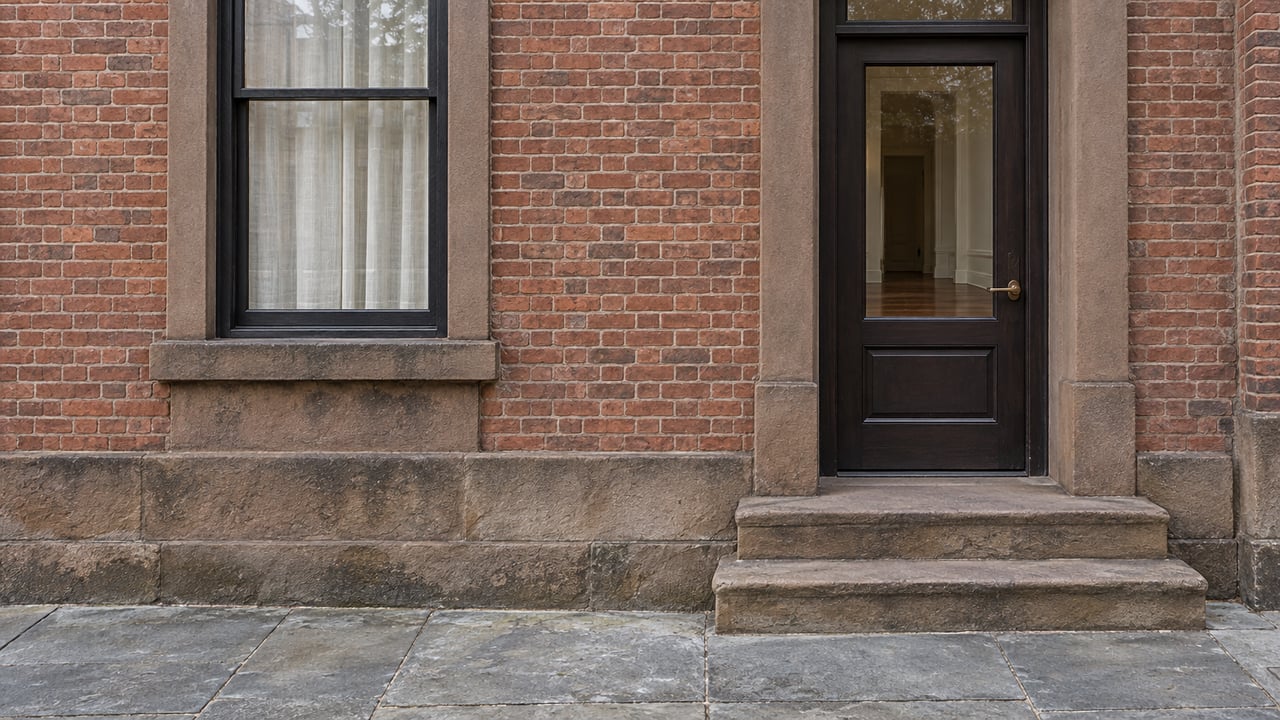
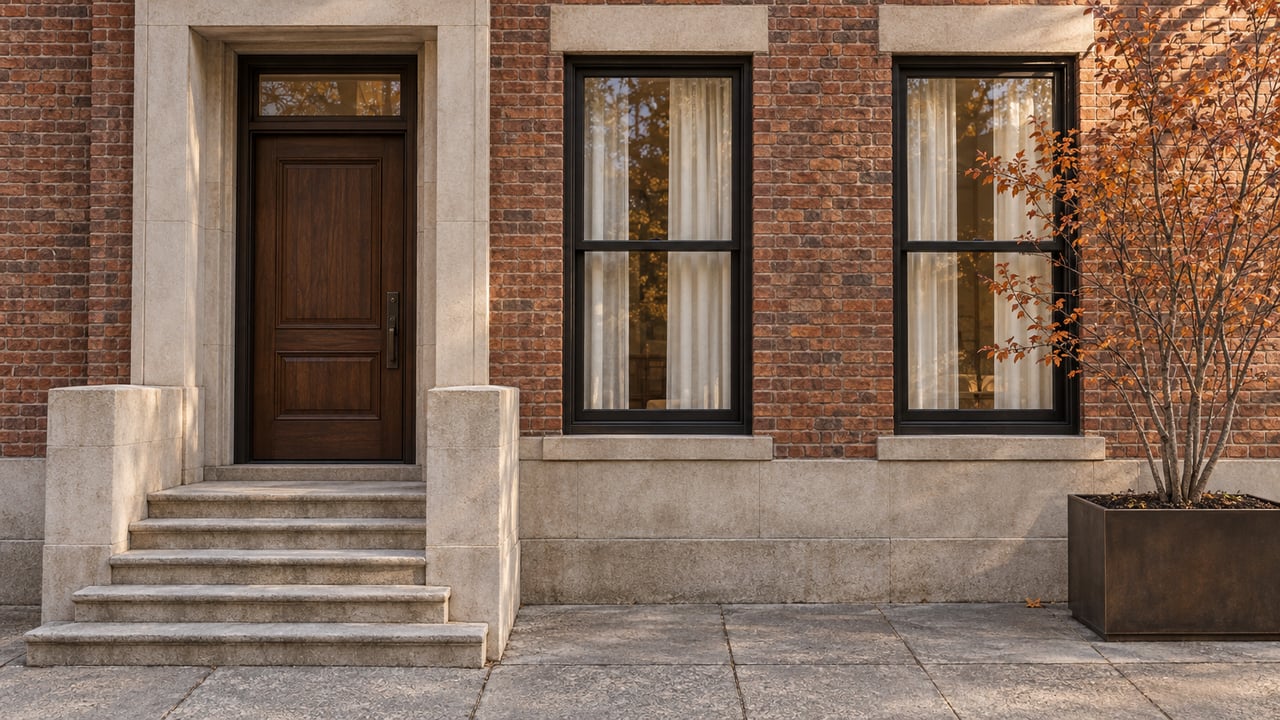
Planning documents describe Chelsea’s housing stock as a mix of pre-war brownstones and townhouses, converted lofts, apartment buildings, condominiums, cooperatives, and walk-up tenements. That mix gives many blocks a layered feel, where older architecture and residential streetscapes still play a major role in daily life.
If you are drawn to homes with character, this part of Chelsea may feel especially appealing. You can move through blocks where classic building types, loft conversions, and established residential buildings create a steadier, more home-focused rhythm.
West of Tenth Feels More Gallery-Centered
Closer to the river, the atmosphere changes. The waterfront side of West Chelsea, generally between Tenth and Eleventh Avenues from around West 30th to West 14th Streets, is described by city planning materials as the city’s premier art gallery district.
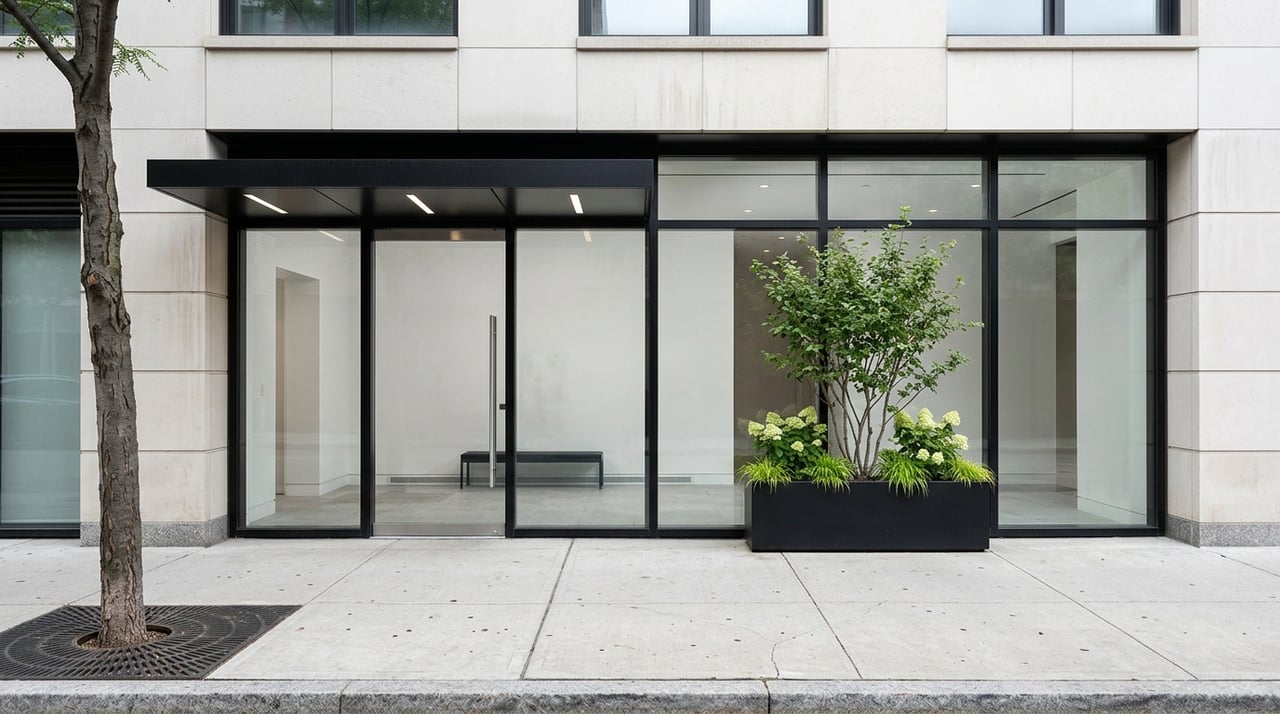
Former garages and warehouses have been repurposed for galleries and art-related uses, giving many blocks a strong industrial-to-creative identity. This part of Chelsea can feel more visitor-oriented, more visually dramatic, and more connected to newer development.
Avenue Life Adds Energy
The same planning materials note that avenue corridors became lined with restaurants, cafes, bars, and nightlife that serve both residents and gallery visitors. For you, that means daily life here often includes an active streetscape, especially on the west side.
That balance is part of what makes Chelsea distinctive. You get a residential base, but you are also living in a neighborhood shaped by art, hospitality, and public life.
Outdoor Space Is Part of Daily Routine
In many Manhattan neighborhoods, green space feels like an occasional bonus. In Chelsea near the High Line, outdoor access is much more central to everyday living.
The High Line for Walks and Strolls
Because the High Line cuts through West Chelsea on an elevated rail structure, it becomes a natural part of how many people spend free time. It works well for a morning walk, an evening stroll, or simply a break outdoors without leaving the neighborhood.
That kind of access can shape your routine in small but meaningful ways. Instead of planning around one destination park, you have a linear public space that sits directly within the neighborhood fabric.
Hudson River Park Expands Your Options
Chelsea also benefits from Hudson River Park, which stretches four miles along Manhattan’s west side. This adds another layer of open space and recreation just beyond the gallery corridor.
Chelsea Waterside Park, within the larger park system, includes a playground, basketball court, dog park, refreshed synthetic turf field, restroom, and picnic area. If you want outdoor options that support different kinds of routines, from dog walks to pickup games to casual afternoons outside, this nearby access is a real advantage.
Dining, Errands, and Everyday Convenience
Lifestyle matters most when it works on a normal Tuesday, not just on a Saturday afternoon. Chelsea performs well here because it combines destination appeal with practical convenience.
Chelsea Market remains one of the area’s best-known food and retail hubs. Its official materials describe it as an internationally known culinary destination with food, retail, arts-and-culture, and shopping and services tenants, with about 6 million visitors annually.
For residents, that means two things can be true at once. It is a useful nearby resource for meals, shopping, and casual meetups, and it is also a consistently busy public destination that brings energy and foot traffic to the area.
That dual identity is worth understanding if you are deciding whether Chelsea fits your lifestyle. You are living near convenience and buzz, not in a tucked-away enclave removed from activity.
Transit Supports a Flexible Routine
Chelsea’s west side location still works well if you rely on public transit. That can make a big difference if your week includes office commutes, downtown meetings, airport runs, or cross-town plans.
Chelsea Waterside lists the closest subway lines as the C, E, and 1. The M23-SBS also serves Chelsea Piers and 23rd Street, adding another practical option for getting across town.
For many buyers, ease of movement is a key part of neighborhood value. In this part of Chelsea, the combination of transit access, walkability, and park connections helps support a flexible Manhattan routine.
The Housing Mix Is One of Chelsea’s Biggest Draws
If you are exploring Chelsea real estate, one of the first things you will notice is that there is no single dominant housing type. The neighborhood is defined by contrast.
Planning materials describe a mix that includes converted industrial lofts, pre-war brownstones and townhouses, luxury apartment buildings, condominiums, cooperatives, and newer high-rise residential buildings with ground-floor retail. That means your search can look very different depending on what kind of home experience you want.
Lofts, Brownstones, and Pre-War Character
For buyers who value architectural texture, Chelsea offers many of the elements people associate with classic downtown Manhattan. Converted lofts and older residential buildings can bring scale, history, and a sense of place that feels different from newer glass product.
North of West 23rd Street, planning analysis notes that the area is generally characterized by converted industrial lofts. That gives parts of Chelsea a strong loft identity that continues to shape the neighborhood’s appeal.
New Development Near the High Line
Chelsea also has a strong new-development presence, especially in the western blocks. In the low West 20s between Tenth and Eleventh Avenues, planning materials note a surge of luxury residential buildings and loft conversions.
This newer layer helps explain why a single walk can include a converted warehouse, an art gallery building, and a polished condo tower within a few blocks. It is one of the clearest examples in Manhattan of old and new existing side by side.
Two current buildings illustrate that luxury new-development side. One High Line at 500 West 18th Street includes 236 condominiums and amenities such as a 75-foot lap pool, fitness center, steam room and sauna, game room, golf simulator, children’s playroom, valet garage, and lifestyle services.
Another notable example is 520 West 28th, an 11-story residential building with 39 residences, private elevator lobbies, a wellness level with spa and 25-yard sky-lit lap pool, a sculpture garden, and an entertainment suite. Its design explicitly connects to the High Line and Chelsea’s industrial past, which reflects a broader pattern in the area’s luxury architecture.
Who Chelsea Near the High Line Fits Best
No neighborhood is for everyone, and that is a good thing. Chelsea near the High Line tends to appeal most to buyers who want access to culture, design-forward housing, and everyday walkability.
You may find this area especially compelling if you want:
- A neighborhood shaped by both residential living and public energy
- Close access to major open space
- A housing search that includes lofts, condos, co-ops, and townhouses
- A strong connection to gallery culture and adaptive reuse architecture
- Newer luxury buildings with high-end amenities near older character-rich blocks
If your goal is a quieter residential experience with less visitor activity, some blocks may feel busier than other parts of downtown. But if you want a neighborhood where art, architecture, and outdoor space are part of your daily environment, Chelsea offers a very specific and compelling version of Manhattan living.
Final Thoughts on Chelsea Living
Chelsea near the High Line stands out because its lifestyle is built from overlapping layers. You are not choosing between park access, gallery culture, or housing variety. In this neighborhood, those features work together.
That is what gives West Chelsea its identity. The High Line is part of the area’s planning story, the gallery district shapes the street experience, and the housing mix gives buyers a wide range of ways to live there.
If you are considering Chelsea and want guidance that matches the nuance of the neighborhood, working with a team that understands downtown Manhattan block by block can make all the difference. To explore opportunities with a polished, concierge-driven approach, connect with Team DeFosset.
FAQs
What is daily life like near the High Line in Chelsea?
- Daily life near the High Line often centers on walkability, outdoor time, gallery-lined blocks, nearby dining, and a mix of residential and visitor activity.
What types of homes are common in Chelsea near the High Line?
- Chelsea includes converted lofts, pre-war brownstones and townhouses, apartment buildings, condominiums, cooperatives, walk-up tenements, and newer luxury high-rises.
How does West Chelsea differ block by block?
- East of Tenth Avenue generally feels more residential, while blocks closer to the river are more gallery-heavy, more tied to newer development, and often busier with visitors.
What parks and outdoor spaces serve Chelsea residents?
- The High Line and Hudson River Park are the main open-space systems nearby, and Chelsea Waterside Park offers amenities like a dog park, playground, basketball court, turf field, restroom, and picnic area.
Is Chelsea near the High Line convenient for transit and errands?
- Yes, the area is served by the C, E, and 1 subway lines near Chelsea Waterside, the M23-SBS crosstown bus, and nearby destinations like Chelsea Market for food, shopping, and services.