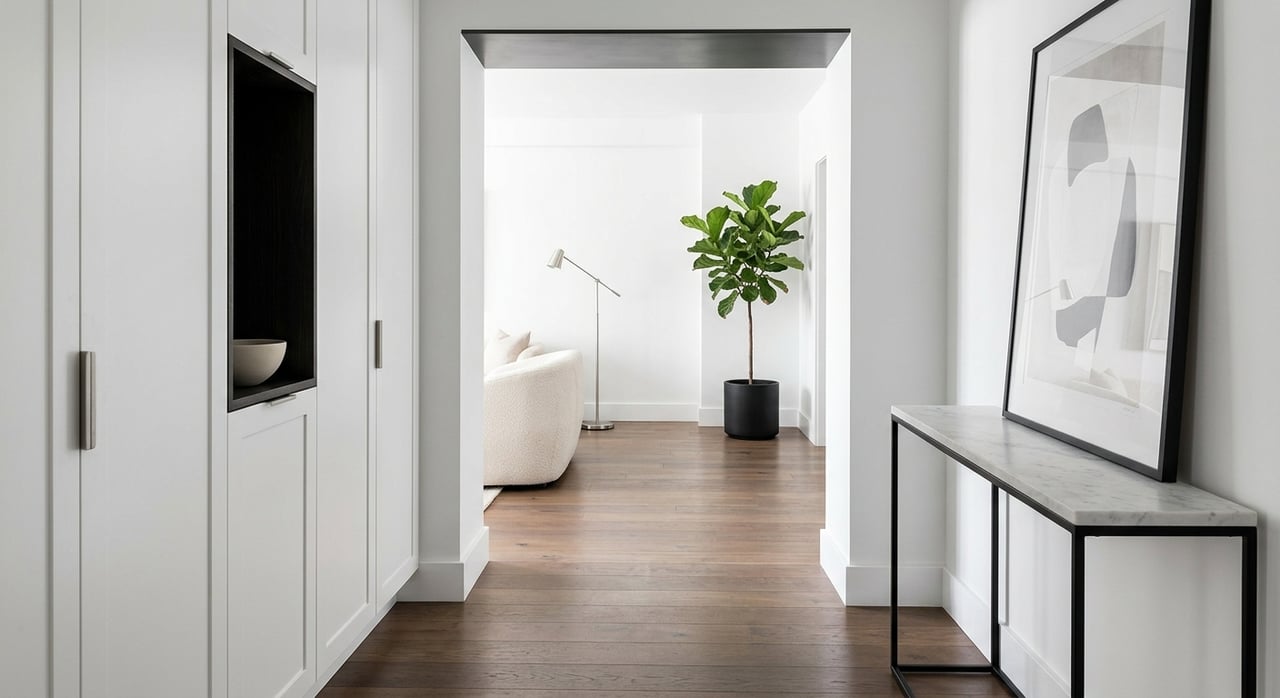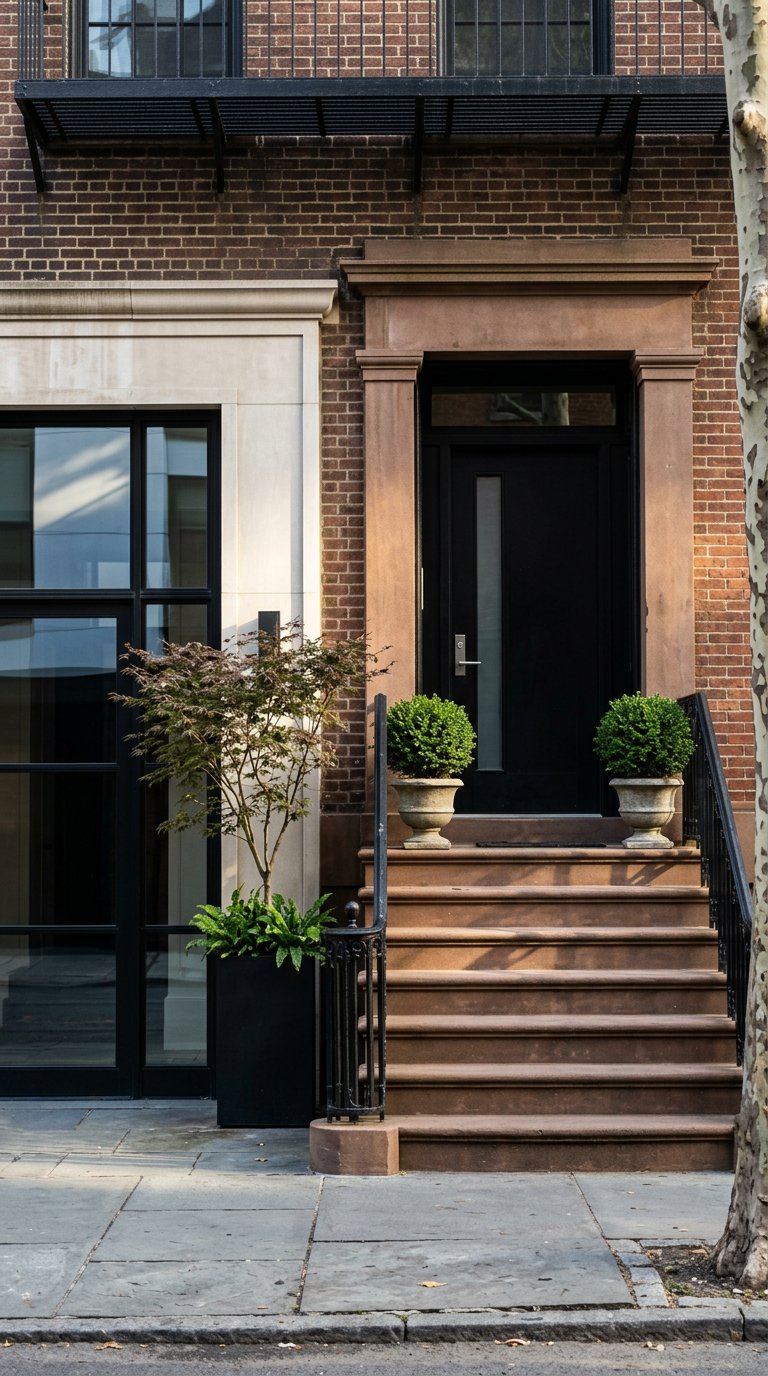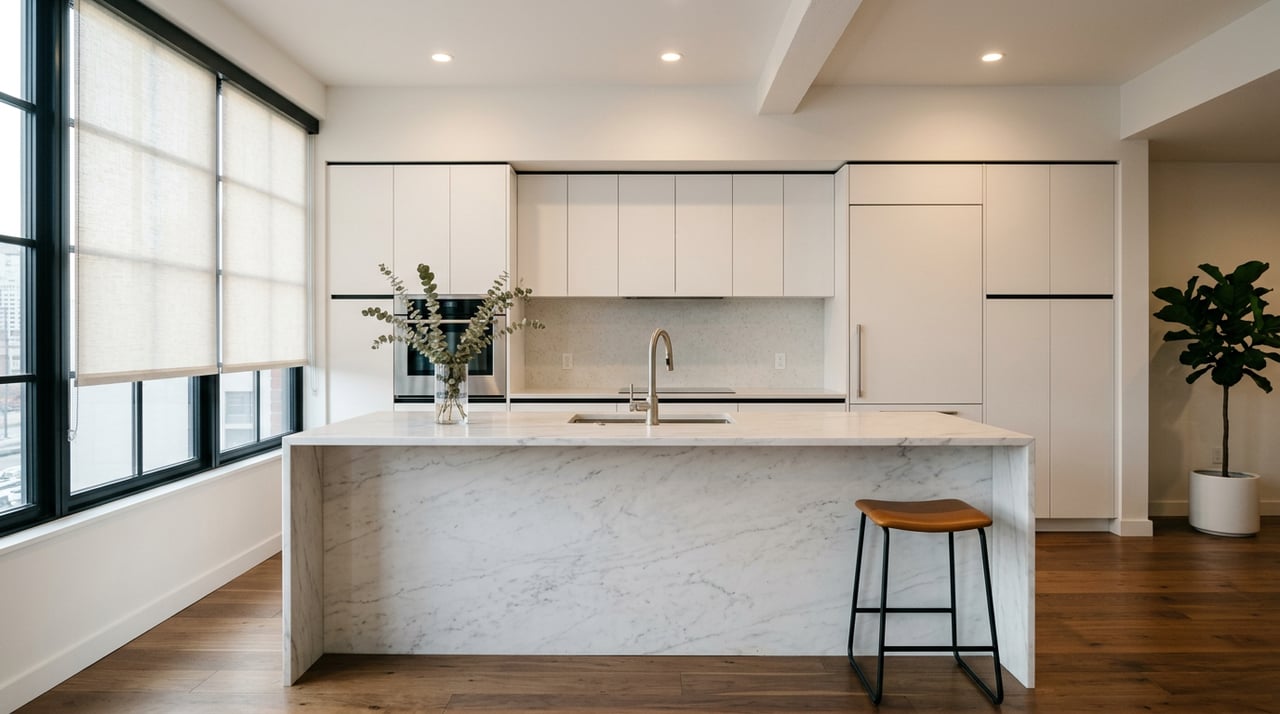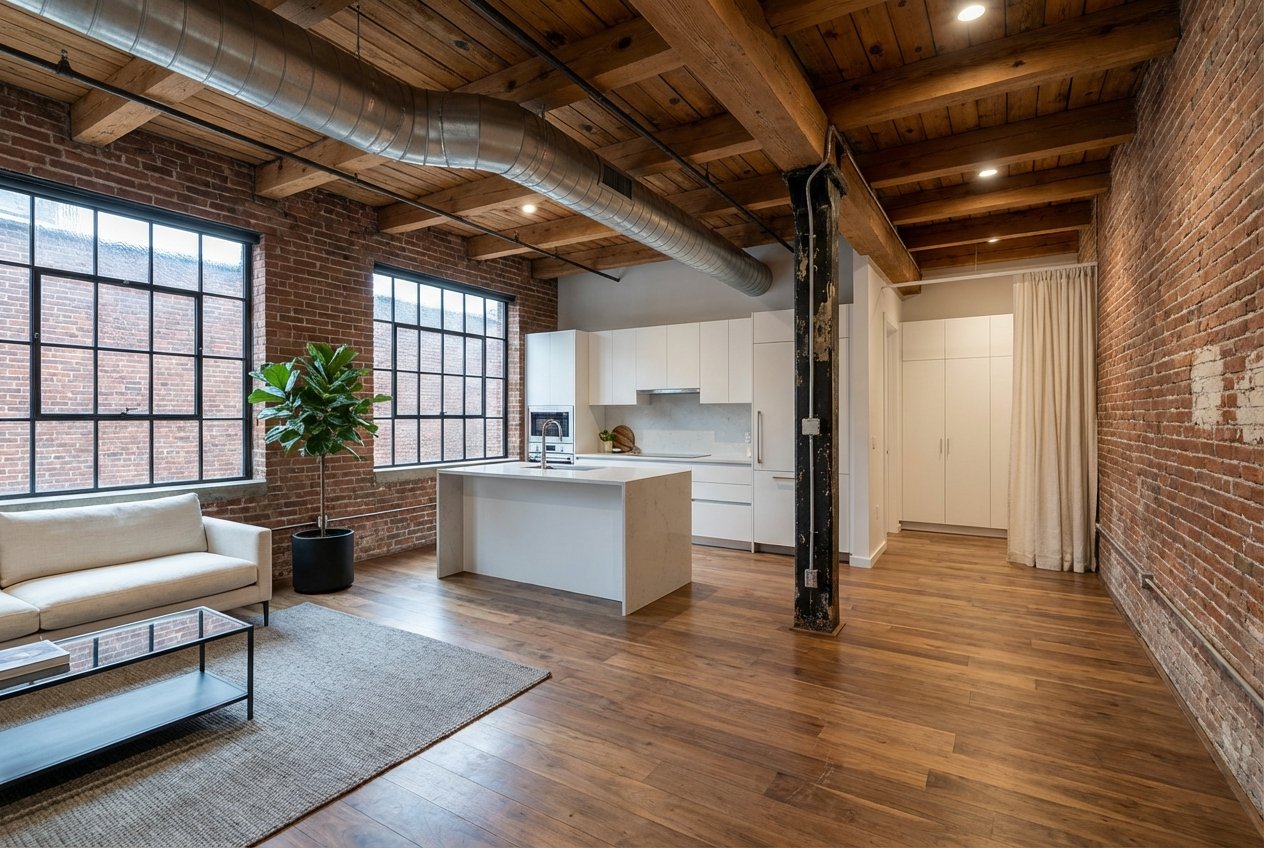
Craving tall ceilings, big windows, and that cinematic SoHo vibe, but not sure how it works day to day? You are not alone. The classic loft look is inspiring, yet it comes with real choices around sound, storage, temperature, privacy, and building rules. This guide breaks down what everyday loft living feels like in SoHo, how the legal backdrop can affect your use and resale, and what to check before you buy. Let’s dive in.
What defines a SoHo loft
SoHo sits south of Houston Street in Lower Manhattan and is home to the SoHo–Cast Iron Historic District, known for cast‑iron facades and Belgian‑block side streets. The preserved architecture is a big reason lofts here feel distinctive and dramatic. You will see 19th‑century commercial buildings converted to residences, plus newer soft‑loft and modern developments. Expect a mix of co‑ops, condos, and hybrid buildings with varied amenities. For context on SoHo’s history and fabric, review the overview of the neighborhood and historic district on Wikipedia’s SoHo page (learn more about SoHo’s context).
Everyday life inside a loft
Ceilings, windows, and light
The hallmark is volume: ceilings often reach 10 to 15 feet or more, and tall industrial windows pull light deep into the space. The open plan lets light travel farther than in most apartments. During showings, confirm measured ceiling heights and test light at different times of day to make sure the orientation fits your routine. For a practical overview of loft features, review this buyer‑friendly loft guide (how loft features shape daily life).
Sound and acoustics
Open plans, hard surfaces, and exposed materials can create echoes inside the unit and more sound transfer from neighbors and the street. Area rugs, acoustic treatments, and upgraded partitions help, though costs vary. Plan to visit on a weeknight and a weekend to listen for footfall, party‑wall noise, and outside activity (why acoustics matter in lofts).
Privacy and layout
Visual and acoustic privacy are tradeoffs with open plans. Many owners add partial walls, built‑ins, or mezzanines to carve out bedrooms and work zones. Be mindful that structural changes may require permits and, in some cases, review by city agencies or boards.
Storage and closets
Historic lofts were not designed as residences, so many do not include built‑in closets or pantries. Buyers often plan custom millwork or use cellar storage if available. Off‑site storage can bridge the gap during renovations (common storage surprises in NYC lofts).
Heating, cooling, and utilities
High ceilings increase the volume you heat and cool. Older windows and radiator systems can raise utility costs compared to modern central HVAC. During inspections, identify the HVAC type, window glazing, and who is responsible for window replacement, especially if originals are landmarked (HVAC and window considerations in lofts).
Elevators and moving logistics
Some lofts feature direct freight‑elevator access, which is ideal for renovations and large furniture. Others have compact lifts or narrow stairs that complicate move‑ins. Confirm elevator dimensions, move‑in rules, and whether freight access exists before you commit (example of listings calling out freight access).
Ownership, zoning, and permits
JLWQA, Loft Law, and 2021 rezoning
SoHo’s live‑work roots created unique legal categories such as Joint Live‑Work Quarters for Artists and subsequent Loft Law protections. The 2021 SoHo/NoHo rezoning introduced a voluntary path to convert certain units to unrestricted residential use, with a one‑time fee in some cases. That fee structure and related issues were litigated, and the New York Court of Appeals issued a key decision on January 13, 2026. Before you buy, verify the unit’s current use designation, whether any conversion fee applies, and what that means for timing and cost (read the Court of Appeals decision background).
Co‑op vs condo vs legacy conversions
Conversion paths influence rules on subletting, renovations, and pets. Some buildings completed formal conversions and are exempt from certain restrictions, while others may still carry legacy statuses. Review the building’s history, offering documents, and bylaws. Your attorney should confirm whether any rezoning fee or special status affects your unit (why conversion history matters).
Landmark status and approvals
Most of SoHo sits within a historic district. Exterior work that is visible from the street, including some window changes, can require approval from the Landmarks Preservation Commission. Factor in review time and costs in your renovation plan (overview of SoHo’s landmark framework).
Building services vary
Do not assume a loft means bare‑bones. Some buildings offer doormen, gyms, roof decks, in‑unit or common laundry, and storage rooms. Others are minimal. Confirm services, elevator condition, and storage options during diligence (amenity variation in NYC loft buildings).
Neighborhood lifestyle and tradeoffs
Daily perks
You live steps from boutique retail, dining, and downtown culture. Many residents highlight the convenience and variety of restaurants as a daily benefit. For a sense of the food scene, browse a curated roundup of notable SoHo spots from Vogue (SoHo dining highlights).
Street energy and crowds
SoHo draws strong retail and visitor traffic, especially along Broadway and Prince Street and on cobblestone side streets. The energy can be exciting, yet it also brings congestion and more weekend noise. If quiet is a priority, focus on inner side streets and higher floors, and visit at different times of day before you buy (tourist flow context).
Nearby comparisons
- Tribeca: generally quieter and more residential in feel, often with larger loft floorplates and more full‑service buildings.
- NoLita and Greenwich Village: intimate scale and a village feel, with fewer high‑traffic corridors than Broadway in SoHo.
- Lower East Side: more nightlife energy and a younger dining and retail mix, with a higher share of smaller apartments.
Buyer checklist for showings
Use this quick list to stress test any SoHo loft.
- Measure ceilings in multiple rooms and confirm feasibility if you want a mezzanine or lofted sleep area (loft features to verify).
- Test natural light morning, afternoon, and evening; note orientation and any shadowing from neighboring buildings.
- Do a noise check on a weeknight and weekend; ask management for any recent noise or quality‑of‑life complaints (acoustics primer).
- Identify HVAC type and window glazing, and clarify who pays for window replacements, especially if landmarked (landmark context).
- Inventory storage and laundry options, including cellar storage and bike rooms, and whether in‑unit washer/dryers are allowed (storage realities).
- Confirm legal status: JLWQA, Loft Law, or any 2021 rezoning conversion fee; engage counsel familiar with SoHo conversions (recent legal decision).
- Review ownership documents and bylaws for sublet and renovation rules.
- Verify elevator dimensions, freight access, and move‑in rules for large items (freight‑elevator example).
- Ask management about recent and planned capital projects, such as roofs, elevators, or facade work.
Is a SoHo loft right for you?
A true SoHo loft delivers volume, light, and character that standard apartments rarely match. You also accept or solve for sound, privacy, storage, and higher heating and cooling needs. The legal and landmark context adds nuance to renovations and resale strategy. If you want design flexibility in a premier downtown location, and you are ready for thoughtful planning, a SoHo loft can be a remarkable everyday home.
When you want a clear path from vision to closing, with local guidance and concierge support, connect with Team DeFosset. We help you weigh tradeoffs, design a smart search, and navigate boards, landmarks, and legal details with confidence.
FAQs
What makes a SoHo loft different from other NYC apartments?
- Historic buildings, tall ceilings, large industrial windows, and open floorplates create unique volume and light compared to typical apartments in newer towers.
How noisy is everyday loft living in SoHo?
- Open plans and hard surfaces can magnify sound, and street activity varies by block; visit at different times and plan for rugs or acoustic upgrades if needed.
Do SoHo lofts have central air and efficient windows?
- It depends on the conversion; many older units use radiators and window A/C, while newer or renovated lofts may have central HVAC and upgraded glazing.
Can I add bedrooms or a mezzanine in a SoHo loft?
- Often yes with planning, but structural changes may require permits and, in historic districts, additional approvals; consult an architect before you buy.
What legal or zoning issues should I check for a SoHo loft purchase?
- Verify whether the unit has JLWQA or Loft Law status, and whether the 2021 rezoning and related 2026 court decision affect conversion fees or use rights.
Do all SoHo loft buildings have doormen and amenities?
- No, services vary widely; some are minimal, others offer doormen, gyms, roof decks, and storage, so confirm details during due diligence.