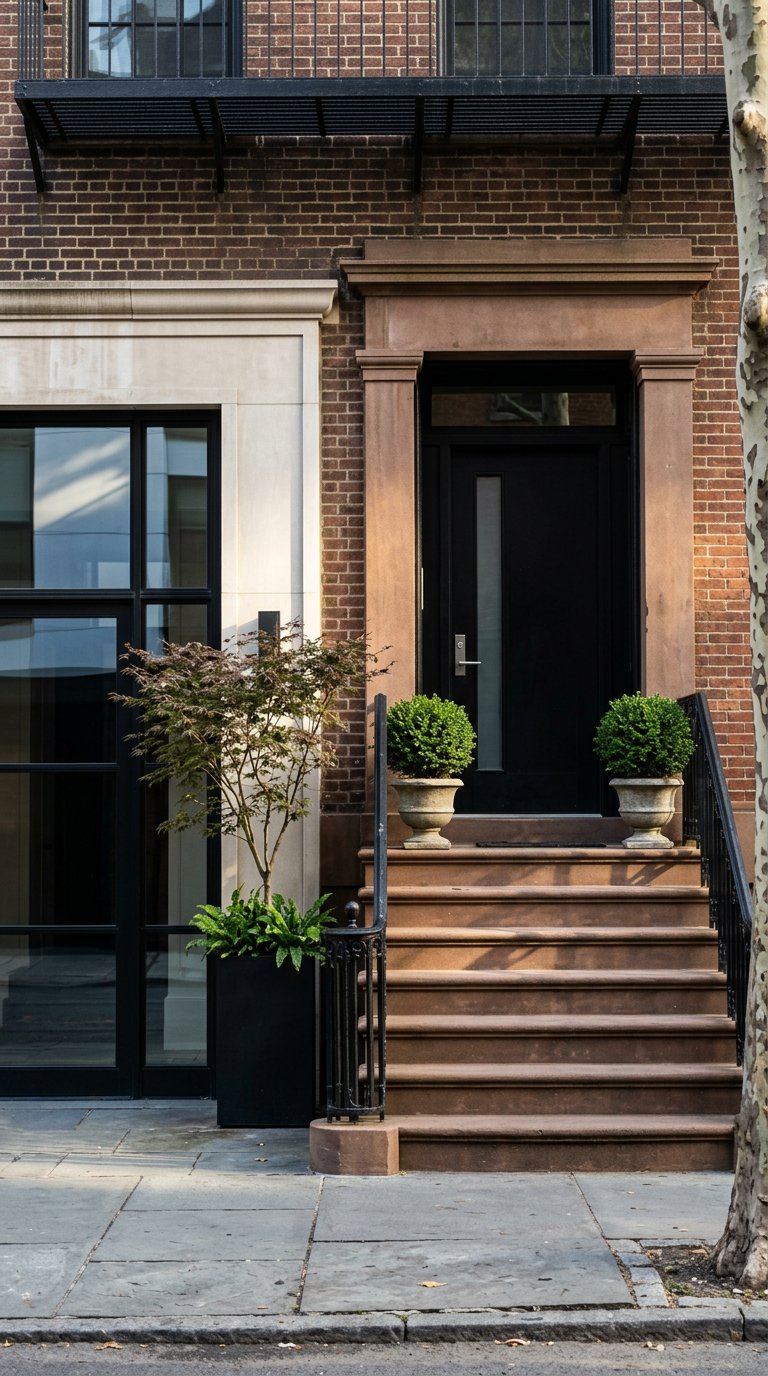
If you picture your life in the West Village, the first big decision is simple to state and hard to make: condo or townhouse. Both can deliver a blue‑chip address and an incredible lifestyle, but they ask very different things of your time, capital, and tolerance for renovations. In this guide, you’ll see how ownership, carrying costs, privacy, outdoor space, landmark rules, financing, and resale potential stack up. By the end, you’ll know which path fits your goals right now. Let’s dive in.
West Village at a glance
The West Village is one of Manhattan’s most protected and supply‑constrained neighborhoods. Large portions sit within historic districts, which preserve character and limit what owners can change on building exteriors. That scarcity, especially for intact townhouses, supports premium pricing and fewer chances to buy. The Landmarks Preservation Commission’s Greenwich Village designation materials explain how exterior work is reviewed and why timelines can stretch for projects that seem simple at first glance (Greenwich Village Historic District report).
At the same time, high‑end condos remain the most active luxury category downtown. The latest Manhattan report shows strong momentum in sales and a very high share of cash buyers, which favors certainty and speed for premium listings (Elliman Q3 2025 Manhattan report). Trophy transactions tell the story on both sides. A combined double‑wide Greenwich Village townhouse reportedly traded around $72.5 million, underscoring what truly rare single‑family product can command. New‑development penthouses and full‑floor condos in and near the West Village have also reached into the tens of millions, showing robust demand for amenity‑rich buildings (record downtown townhouse coverage).
Condo vs townhouse: quick profiles
For the lock‑and‑leave buyer
If you travel often or want hotel‑style services, a luxury condo offers doorman access, concierge support, fitness and spa amenities, and building management. You can arrive, lock up, and leave with minimal coordination. New‑development condos often come with clean alteration policies and modern systems, which makes improvements easier.
For the privacy‑first buyer
If you want a private entrance, no shared corridors, and a garden or roof deck that belongs only to you, a townhouse fits the brief. You control staff, security, and scheduling. In return, you accept full responsibility for maintenance and any renovation complexity that comes with a landmarked block.
Ownership and carrying costs
How ownership works
- Townhouse: You own the land and the building. That is fee‑simple ownership, and you control the structure and systems without an HOA. Most 1–3 family homes fall under New York City Property Tax Class 1, which is assessed differently from condos and co‑ops. That can shift your annual tax profile compared to a similarly priced condo (NYC property tax classes and rates).
- Condominium: You own a deeded unit and a share of common elements. You pay monthly common charges and a separate property‑tax bill for your unit. For many buyers, condos are straightforward to finance and close compared to co‑ops, and the building handles staffing and major common‑area upkeep.
What it costs to carry
- Townhouse: No HOA fees, but you fund everything yourself. Roofs, façades, foundations, boilers, insurance, landscaping, and reserves all sit on your ledger. Annual taxes vary by assessment and exemptions.
- Condo: Monthly carrying costs add up fast in Manhattan. According to Elliman’s Q3 2025 data, combined condo common charges plus unit taxes average about $4,594 per month in their sample. That single line item is key when comparing a condo to a townhouse’s self‑managed expenses (Elliman Q3 2025 Manhattan report).
Financing and closing speed
Manhattan’s luxury market remains cash‑heavy, which makes certainty and timing critical. Cash condos often close fastest. Co‑ops, which are prevalent in older downtown buildings, add a board‑approval layer that can extend timelines and narrow financing options. If you are considering a co‑op alternative to either path, review how share loans, down‑payment norms, and sublet policies differ from condominium standards (NYC co‑op vs condo overview).
For townhouses, financing looks like a single‑family purchase. Jumbo mortgages are common at the high end. If you plan to renovate, expect separate construction or private financing and additional diligence on permits and approvals.
Landmark, zoning, and air rights
What LPC controls
Much of the West Village is landmarked, and exterior changes usually require Landmarks Preservation Commission review. Depending on the scope of work, you may need a Certificate of No Effect, a Permit for Minor Work, or a Certificate of Appropriateness. That process can shape design choices and add cost for preservation‑grade materials and methods. Legal decisions and practice confirm the agency’s broad authority over exterior work, so you should treat LPC review as a core planning factor for façades, windows, stoops, and roofs (LPC designation details; court decision on LPC authority).
Air rights and additions
Adding a floor, extending at the rear, or transferring development rights can be possible in NYC, but it is rarely simple. Zoning‑lot mergers are the most common path for development rights. Landmark transfer mechanisms exist but are procedurally complex and used less frequently. If your business case depends on buying or selling air rights, plan for legal, planning, and timeline variables from the outset (analysis of transferable development rights).
Renovation timing
If your vision includes a cellar dig, rooftop addition, or major exterior rework, budget both time and cost for approvals through LPC and the Department of Buildings. Condo alterations face building rules rather than LPC in most cases, though buildings still control what you can do on terraces and roofs. Either way, check alteration agreements early.
Lifestyle and amenities
Privacy and space
- Townhouse: Highest level of privacy with your own entrance and no shared corridors. Many offer back gardens and the potential for private roof terraces in renovated examples.
- Condo: High‑floor and full‑floor units can feel very private, but you still share common areas and infrastructure. That said, some of the neighborhood’s most coveted new developments deliver dramatic city and river views along with security and staff.
Outdoor living
- Townhouse: Private ground‑level gardens are common and are a major value driver. Width, lot depth, and light become part of your lifestyle equation.
- Condo: Private terraces and roof decks are available in select units, and many buildings offer communal outdoor spaces. Rare oversized private terraces in the West Village can command a premium when they appear in new‑dev listings and recent sales (example of notable West Village new development).
Services and staffing
- Townhouse: You set up staff, security systems, and maintenance schedules. That can mean more control and more coordination.
- Condo: Doormen, concierges, porters, and building engineers handle day‑to‑day needs. This is ideal if you value ease and a defined monthly expense.
Resale and long‑term value
Townhouse dynamics
Scarcity and land value support townhouse pricing, especially on landmarked blocks with pedigree. Unique widths, carriage houses, and combined lots can achieve neighborhood records. These assets often trade infrequently, which can make timing less predictable but price retention strong when the right buyer surfaces (downtown townhouse record context).
Condo dynamics
Luxury condos, especially new development and large full‑floor layouts, tend to offer clearer comparables and more frequent trades. That can translate into better liquidity for both buy and sell decisions. Market reporting continues to show robust demand for amenity‑rich offerings at the high end (Elliman Q3 2025 Manhattan report).
Due diligence checklist
If you are buying a townhouse
- Title and survey: Confirm lot boundaries, easements, and any subsurface or flood considerations.
- Building history: Review Department of Buildings filings, open violations, and current certificates of occupancy.
- Landmark status: Verify designation, previous LPC approvals, and any pending enforcement or calendar items (LPC resources).
- Structure and systems: Order structural and MEP reports. Verify permits and sign‑offs for past renovations.
- Taxes: Pull recent property‑tax bills and assessment history to understand tax class and future exposure (NYC property tax classes and rates).
If you are buying a condo
- Governing docs: Read the offering plan, bylaws, house rules, alteration agreement, and sublet policies.
- Financials: Request audited financials, reserve studies, and any notices of pending assessments.
- Insurance: Confirm building coverage and unit owner requirements.
- Financing: If you are using a specific loan program, verify project approvals or lender requirements early.
For both paths
- Comps and velocity: Study recent closed sales and days on market on the same and adjacent blocks.
- Privacy and usage: Confirm rooftop rights, outdoor‑space ownership, sound isolation, storage, and parking options.
- Renovation runway: Map out LPC and DOB steps for any planned work and get early contractor and architect input.
Which is right for you?
Choose a West Village townhouse if you want maximal privacy, a private garden, and control over your environment. Choose a luxury condo if you want services, convenience, and a clearer path to closing and future resale. In this neighborhood, both options can be exceptional. Your best choice comes from aligning lifestyle priorities with ownership realities and carrying costs.
If you want a calm, strategic partner who knows how to source the right address and simplify complex approvals, we are here to help. From curated searches and valuation to board prep and cinematic marketing when it is time to sell, Team DeFosset brings deep downtown expertise with concierge service.
FAQs
What should a luxury buyer know about West Village landmark rules?
- Most exterior changes require LPC review, which can limit design choices and add time and cost. Always check designation reports and prior approvals before you bid.
How do condo monthly costs compare to a townhouse?
- Condos carry common charges plus unit taxes that average about $4,594 per month in Elliman’s Q3 2025 sample, while townhouses skip HOAs but take on all upkeep directly.
Do townhouses hold value better than condos in the West Village?
- Scarce, pedigree townhouses can achieve outsized appreciation, while condos generally offer better liquidity and clearer comps for pricing.
Which option closes faster in Manhattan’s luxury market?
- Cash condo purchases usually close fastest. Townhouse timelines depend on financing and inspections. Co‑ops typically take the longest due to board approval.
Can I add a rooftop or extend a West Village townhouse?
- Possibly, but expect LPC and DOB approvals plus zoning checks. Additions and air‑rights plans can be complex, so build time and professional fees into your plan early.