Shopping for a Tribeca condo and wondering why two similar homes are priced thousands apart per square foot? You are not alone. Tribeca is one of Manhattan’s priciest and most nuanced markets, and small differences in building type, exposure, and floor level can swing value in a big way. In this guide, you will learn how Tribeca’s micro-markets work, how to compare loft conversions to new developments, what view premiums really mean, and how to approach due diligence and negotiation with confidence. Let’s dive in.
Tribeca market snapshot
Tribeca is a low-supply, high-demand neighborhood with a mix of converted industrial lofts and trophy new developments. Inventory tends to be thin, which supports price stability for desirable layouts, landmark buildings, and great exposures. New development towers often set pricing anchors, while resales follow based on condition, ceiling height, and floorplan.
If you want a current read on pricing and absorption, review recent Manhattan market reports, neighborhood data snapshots, and closed-sale records. Pair that with building-level sales in places like 56 Leonard, 443 Greenwich, and 130 Franklin to benchmark what premium assets command.
Micro-markets and building types
Tribeca is not uniform. One block can change your light, view corridor, and noise profile, which affects price and lifestyle.
North and central Tribeca
You will find a mix of conversions and boutique condos around Canal, Walker, and Duane. Some streets are quieter and tree-lined, with townhouse-style conversions and smaller buildings. Expect character-forward homes and varied layouts.
West Tribeca and the waterfront
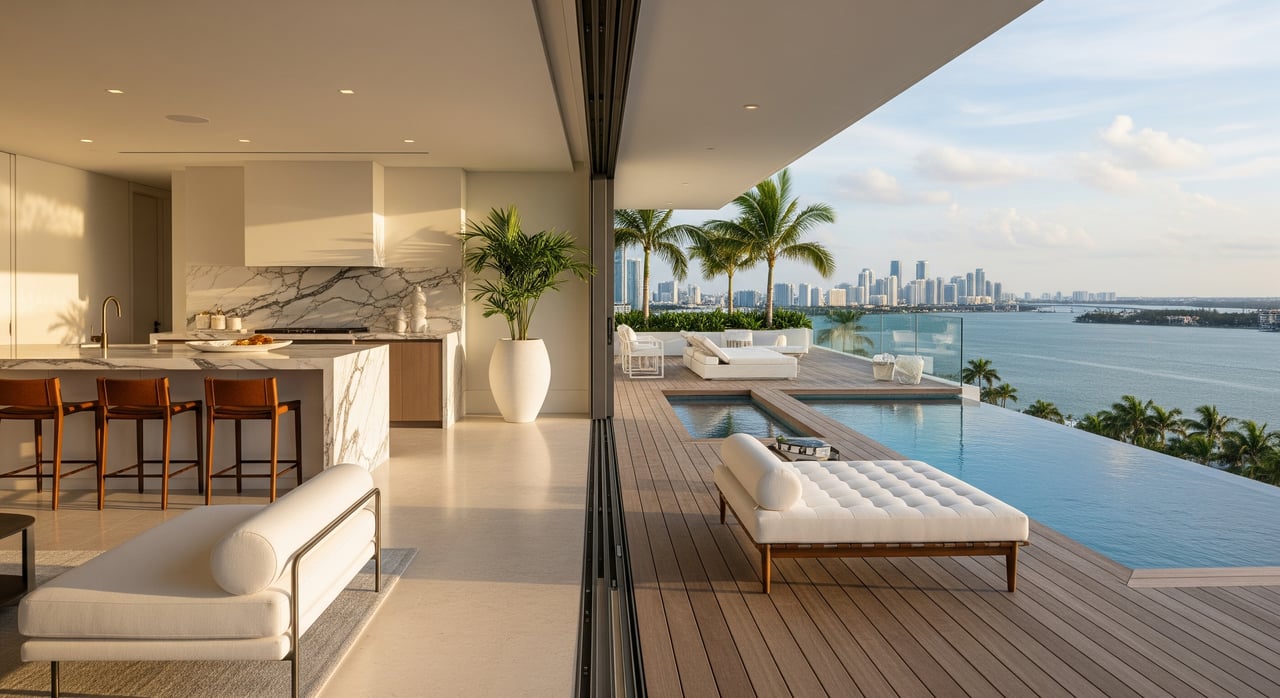
Along West Street near Hudson River Park, newer glass and modern condos offer larger floor plates and more direct river exposures. Buyers who prize outdoor access and sunsets often focus here. These buildings tend to have fuller amenity packages and higher carrying costs.
Cast-iron and historic conversions
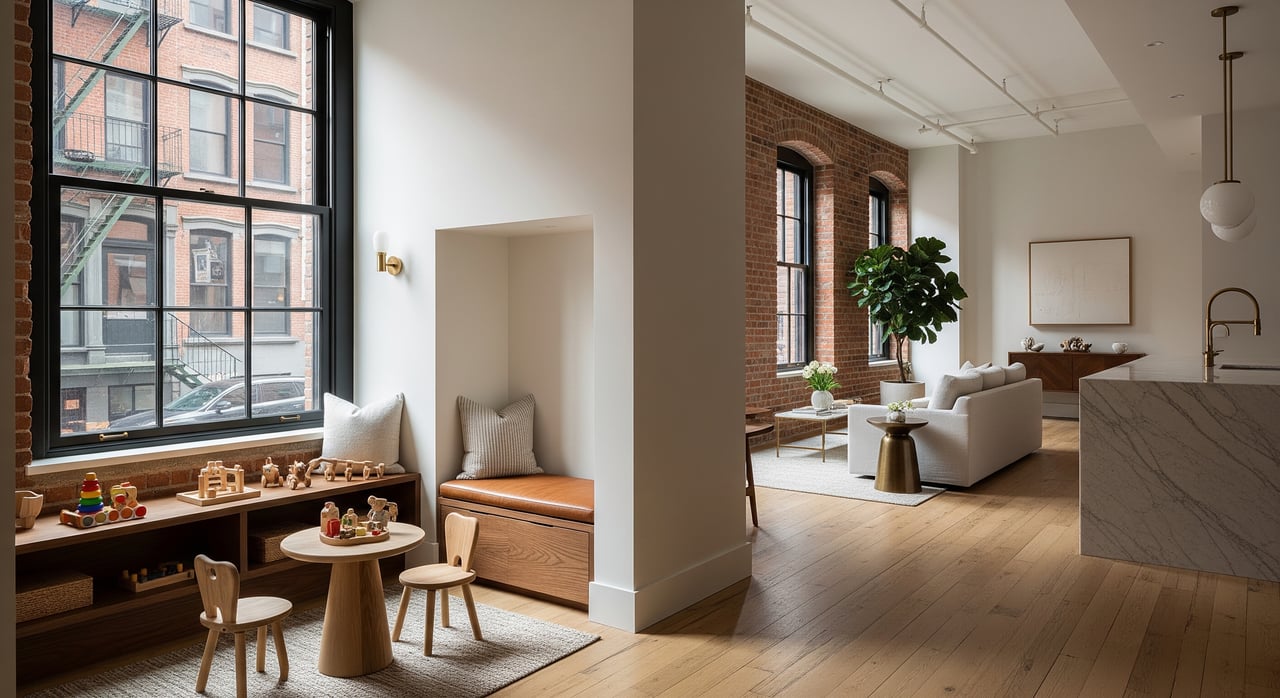
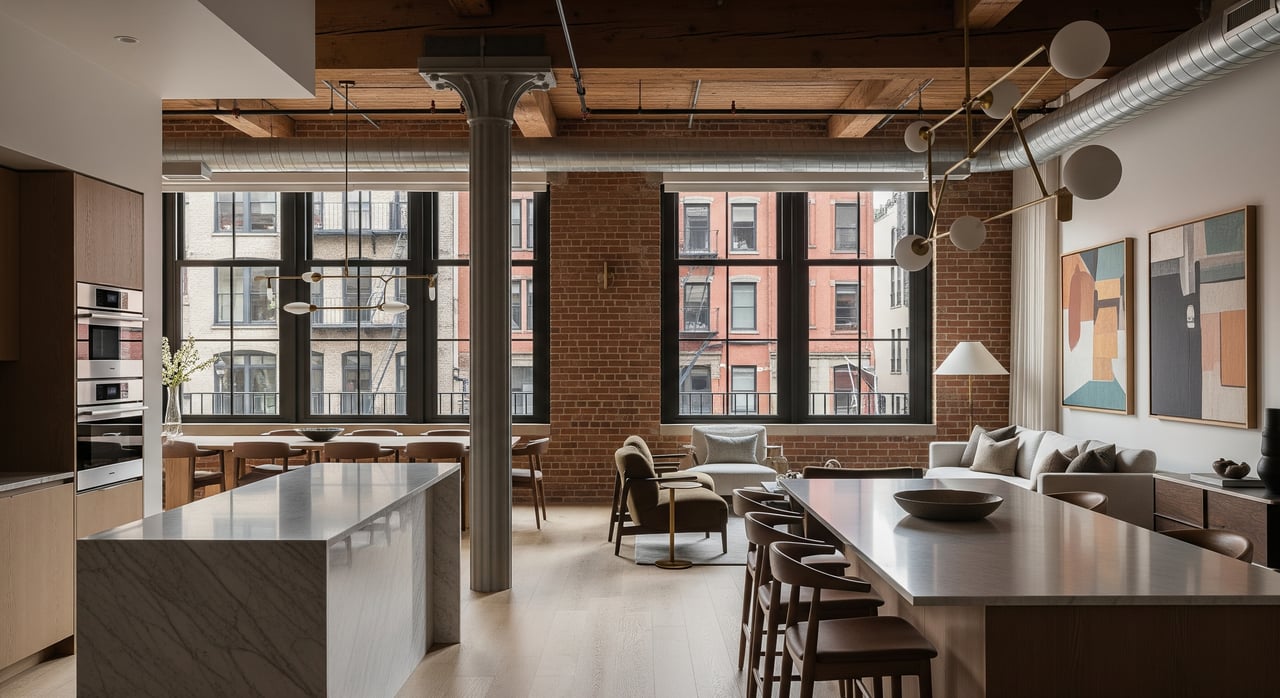
Streets near Franklin, Varick, and Hudson feature classic loft conversions with tall ceilings, big windows, and exposed beams or brick. This is the heart of Tribeca’s authentic loft aesthetic. Expect individuality, flexible layouts, and fewer hotel-like services.
South/West vs. East Tribeca nuances
Short distances matter. A west-facing line with open water or skyline views can command a premium compared with an interior or courtyard exposure just one block east. Always compare within the same building or immediate block when possible.
Product typologies explained
Not all Tribeca condos trade the same way. Understand the product before you price it.
Loft conversions
- Characteristics: Large, open floor plans, high ceilings, oversized windows, and visible architectural elements. Amenities can be limited, but the volume and character are unmatched.
- Tradeoffs: Irregular layouts may require thoughtful space planning. Systems can be older unless renovated, and kitchens or baths vary widely by owner upgrades.
- Appeal: Lower price per square foot compared to signature towers on a like-for-like basis, with big total square footage and flexible living.
Boutique and mid-rise condos
- Characteristics: More traditional layouts, modernized interiors, and practical amenities like a concierge or gym.
- Appeal: Clearer comparables, predictable monthly costs, and straightforward condo governance that supports easier financing.
New development towers
- Characteristics: Full-service living with doorman, concierge, pools, private dining, and high-design architecture. Modern systems and developer warranties reduce maintenance headaches.
- Tradeoffs: Premium price per square foot, higher common charges and taxes, and potential early ownership risks if you purchase during construction.
Legal and technical checks for lofts
Some lofts were legalized under the NYC Loft Law, while others were converted through private condominium offerings. Certificates of Occupancy, use classifications, and any mixed-use elements can affect financing and insurance. Confirm the legal status early so your lender underwrites the property without surprises.
How pricing works in Tribeca
Pricing is driven by product type, floor plate, ceiling height, exposure, floor level, architectural pedigree, amenity package, and the most recent comparable sales. Buyers and brokers rely on price per square foot, but you should adjust for ceiling height, usable versus gross square footage, and atypical layouts.
Price-per-square-foot checkpoints
- Control for product: Compare lofts to lofts and towers to towers. A raw or open-plan loft may show a lower ppsf than a finished high-rise unit, yet still be more compelling on a total-dollar basis.
- Control for exposure and floor: Line, view, and level matter. Use the same building or immediate block when possible.
- Validate with recent closings: Focus on 3 to 5 sales that closely match your layout, exposure, and condition.
View premiums
Views matter in Tribeca because many blocks are low-rise. West-facing river exposures and unobstructed skyline views are scarce and command a premium. Floor level impacts that premium: higher floors with full river or skyline views trade stronger than lower floors with partial vistas. Quantify by studying closed sales with the same line and exposure.
Carrying costs and taxes
- Common charges: Amenity-heavy towers often carry higher monthly fees. Smaller conversion buildings may be lower, but services are fewer.
- Property taxes: Condos pay real property taxes that vary by assessed value. Some new developments have abatements that lower taxes for a period of time; always verify in the offering plan.
- Utilities and systems: Older loft systems may lead to higher heating or cooling costs. Some newer buildings include certain utilities in common charges.
- Transaction costs: Account for closing costs, attorney and title fees, mortgage costs, and potential state mansion tax above certain price thresholds. Confirm current rates with your attorney or title team.
Due diligence that protects value
A strong diligence process reduces risk and strengthens your negotiating position.
- Building documents: Request offering plans, bylaws and house rules, current financials, reserve levels, board minutes, and recent capital improvements.
- Unit-specific items: Confirm the Certificate of Occupancy, review alteration permits, check any asbestos or lead filings if relevant, and verify boundaries, storage, and mechanical systems.
- Loft legality and use: If the unit is a converted loft, confirm legal residential status and that it fits lender and insurer criteria.
- Assessment and litigation risk: Ask about planned work, pending assessments, or disputes that could impact monthly charges or resale value.
Financing in this market
- Condos: Underwriting is straightforward. Typical down payments start around 20 percent for conventional loans, though lender minimums vary.
- Lofts and atypical layouts: Some lenders may limit financing or require higher down payments. Work with a lender experienced in Manhattan lofts.
- New development: Expect deposit schedules, developer timelines, and potential construction delays. Review warranty terms and what happens if delivery dates change.
- Jumbo loans: Many Tribeca purchases require jumbo financing. Be prepared with thorough documentation and rate comparisons.
- Co-op vs. condo: Tribeca includes both. Co-ops have board approvals and stricter liquidity standards. Confirm ownership type early so you can plan the process and financing.
Negotiation and timing tactics
- Nail the comps: Build a tight comp set of recent closings in the same building or block that match your exposure and layout. That is your negotiation band.
- Be ready to move: Low inventory means desirable homes can draw quick interest. Have pre-approval or proof of funds and a flexible closing timeline.
- New development extras: Consider negotiating for storage or parking, amenity credits, improvement allowances, or temporary assessment protections. Weigh concessions against the final ppsf.
- Loft resales: Price in renovation costs and timeline. A lower ppsf may reflect the upgrades you will want to make.
Quick buyer checklist
- Get pre-approved or prepare proof of funds.
- Request building financials and recent board minutes.
- Verify the Certificate of Occupancy and permit history for the unit.
- Confirm exposure and view lines against recent closed comps in the same line when possible.
- Review common charges, taxes, abatements, and any planned capital projects or assessments.
- Choose a lender familiar with condos, lofts, and jumbo loans.
Ready to explore Tribeca like a local
Buying in Tribeca rewards precision. When you align product type, exposure, and comps, you can bid with confidence and avoid overpaying for finishes or views that do not match the price. If you want a curated shortlist and a clear pricing strategy, we can help you decode each block and building so you move decisively when the right home appears.
Reach out to the neighborhood specialists at Team DeFosset to start your Tribeca search or to benchmark a unit you are considering.
FAQs
How does price per square foot work for Tribeca condos?
- Use ppsf to compare, but control for product type, ceiling height, exposure, and floor level. Lofts often show lower ppsf than new towers, but total size and volume can drive strong overall value.
Why do views carry such big premiums in Tribeca?
- Many blocks are low-rise, so unobstructed west-facing river and skyline views are scarce. Higher floors with full exposures often command a notable premium compared with interior or courtyard views.
What should I know about loft legality and financing?
- Confirm that the unit has legal residential status and a proper Certificate of Occupancy. Some lofts require lenders familiar with atypical layouts or loft law history, and some may favor higher down payments.
What carrying costs should I budget for in a new development?
- Expect higher common charges for full-service amenities and verify property taxes and any abatements. Review the offering plan for details on services, inclusions, and future expense expectations.
How do I build a strong comp set before making an offer?
- Focus on 3 to 5 recent closed sales in the same building or immediate block with matching exposure, line, and layout. Adjust for condition, ceiling height, and floor level to set your bid range.
What can I negotiate on besides price in new development?
- Seek value through storage, parking, improvement allowances, seller-paid closing costs, or protections against temporary assessments. Weigh each item against the final ppsf and your monthly carrying costs.