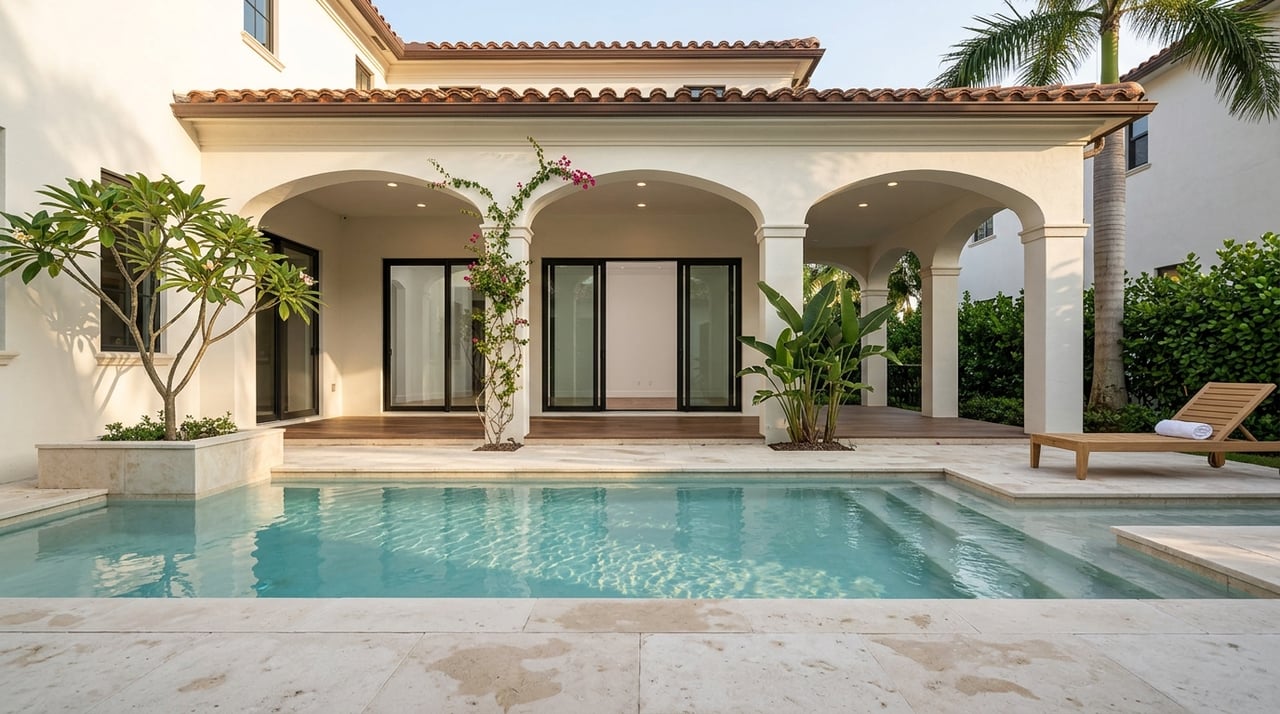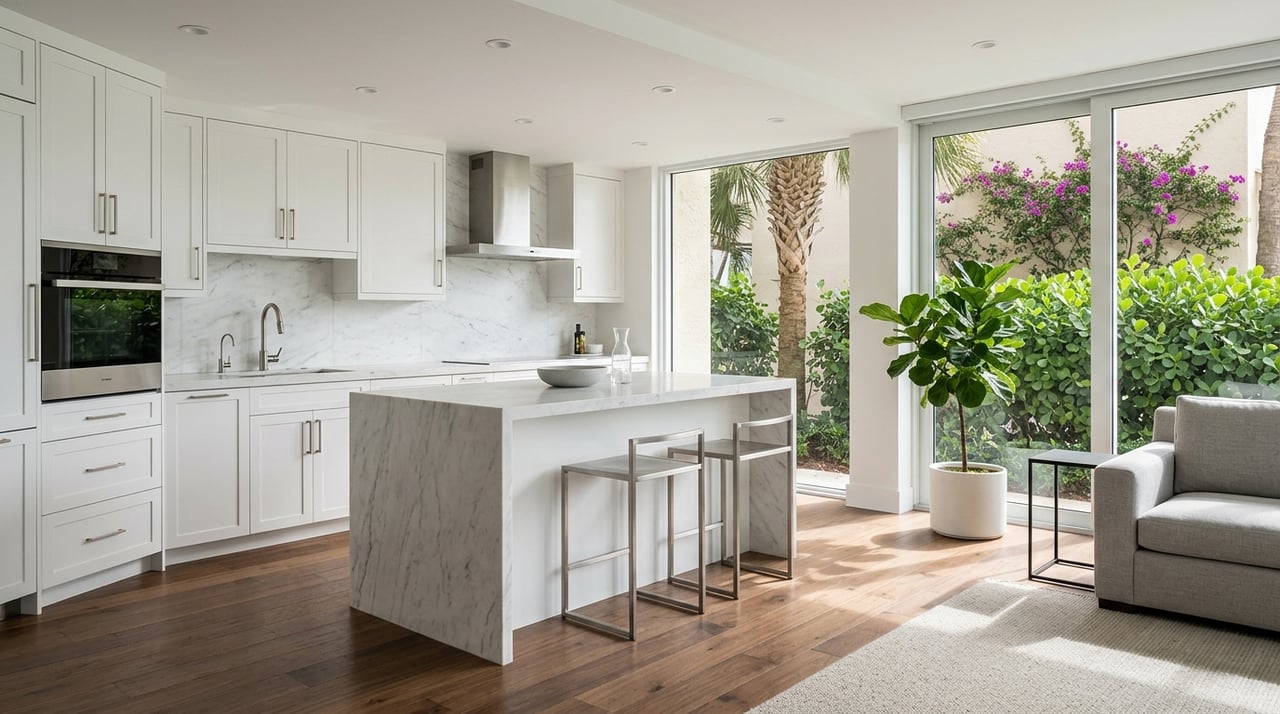
If you own in New York City and you are eyeing Palm Beach, the biggest question is often not where to buy, but how you want to own. A Palm Beach condo and a Palm Beach estate can both offer a beautiful coastal base, but they come with very different levels of privacy, upkeep, paperwork, and control. If you want a clear, practical way to compare the two, this guide will walk you through the differences that matter most. Let’s dive in.
Why this choice matters
For many NYC owners, Palm Beach is about ease, escape, and lifestyle. But a second home only feels easy when the ownership structure fits the way you actually live.
In simple terms, condos usually offer a more managed, service-oriented experience, while estates usually offer more land, more privacy, and more direct owner responsibility. In Palm Beach, that difference is shaped by Florida condo law, local zoning, flood considerations, and local tax rules.
Condo vs. estate at a glance
Before you tour properties, it helps to frame the choice in practical terms.
| Topic | Palm Beach Condo | Palm Beach Estate |
|---|---|---|
| Maintenance | More shared through the association | More directly managed by you |
| Services | Often bundled through common expenses | Usually arranged privately by the owner |
| Privacy | More rules and shared building structure | More separation and control |
| Governance | Heavier document review and association oversight | Fewer shared-governance layers |
| Reserve planning | Major factor in many buildings | Not structured the same way |
| Land and outdoor control | Limited to unit and assigned areas | Greater direct control over site and grounds |
| Lock-and-leave ease | Often stronger fit | Depends on your staffing and systems |
Maintenance feels very different
Condo ownership is more bundled
Under Florida condominium law, the association is responsible for maintaining the common elements, except where certain limited common elements are assigned elsewhere in the governing documents. Common expenses can include maintenance, repair, replacement, security services, transportation services, in-house communications, and road maintenance.
For you as a buyer, that usually means a condo can feel more operationally streamlined. Instead of coordinating every moving part yourself, many building-related costs and services are handled at the association level.
Estate ownership gives you more control
An estate gives you more freedom to decide how the property is run, but that also means more direct responsibility. If you want landscaping, security coordination, exterior maintenance, or property oversight handled a certain way, you are generally the one arranging it.
For some NYC owners, that level of control is the appeal. For others, especially if Palm Beach is a seasonal home, it can feel like another layer of management to absorb.
Condo reserves and assessments deserve real attention
Reserve funding is a major condo issue
Florida requires residential condominium associations with buildings that are three stories or higher to complete a Structural Integrity Reserve Study at least every 10 years. The Florida Department of Business and Professional Regulation has also said that 2023 legislation disallowed waiving or reducing reserve funding for structural repairs identified in a SIRS.
That matters because reserve planning is not just background paperwork. It can directly affect your monthly carrying costs, your understanding of future capital projects, and your exposure to special assessment risk.
Estates have different cost patterns
With an estate, you still need to budget for repairs, upgrades, and long-term maintenance. The difference is that the planning is usually private and property-specific rather than driven through a formal shared-building reserve structure.
If you are comparing a condo to an estate on price alone, you may miss the bigger picture. The smarter comparison is total ownership experience, including predictable costs, surprise costs, and how involved you want to be.
Privacy and governance are not the same
Condos come with rules and access rights
Florida condo law gives the association an irrevocable right of access to a unit during reasonable hours when needed for maintenance, repair, or replacement of common elements or association-maintained portions of a unit. Owners, tenants, and invitees must also comply with the governing law, declaration, association documents, and bylaws.
That creates a very different living experience from a stand-alone estate. In a condo, ownership is more rule-driven, and your property exists within a larger governance framework.
Estates offer more day-to-day separation
A Palm Beach estate usually offers more direct privacy, especially when paired with larger lots and a detached building form. You are not living inside a shared vertical structure with association access rights and building-wide operating rules shaping daily use in the same way.
If privacy is your top priority, this distinction can be decisive. If convenience matters more, the condo model may still be the better fit.
The condo document load is heavier
Resale condo purchases involve more review
Florida law requires condominium associations to keep official records, including inspection reports and building permits, and unit owners have inspection rights. For resale buyers, the required disclosure package is more formal and typically includes the declaration, articles, bylaws, annual financial statement and budget, and, when applicable, the milestone inspection summary and the most recent SIRS.
For an NYC buyer who is used to reviewing co-op or condo materials, this may feel familiar in spirit, but the Florida-specific content still requires careful review. Since 2022, condo oversight in Florida has tightened, with DBPR describing reforms focused on life safety, sound management, and transparency.
Estates usually mean fewer shared records
An estate purchase still involves due diligence, but it does not usually come with the same level of recurring association governance review. There is no building-wide reserve study or shared financial package in the same sense.
If you prefer a cleaner diligence process with fewer moving pieces, an estate may feel more straightforward. If you are comfortable reviewing detailed building materials in exchange for a more serviced ownership model, a condo may still align better.
Palm Beach zoning shows the physical difference
Estates are built around land
Palm Beach zoning helps explain why estates and condos live so differently. In the town’s estate-oriented districts, minimum lot sizes are substantial: R-AA requires 60,000 square feet, R-A requires 20,000 square feet, and R-B requires 10,000 square feet.
The town summary also states that single-family and two-family development is limited to a maximum of two habitable stories in vertical alignment. In practice, that supports a low-rise, land-oriented pattern with more separation and more outdoor control.
Condos are built around density
By contrast, the town’s R-D(2) high-density residential district allows multifamily buildings with setbacks that vary by height and permits building height up to five stories and 55 feet by special exception. That zoning framework reflects a very different physical experience.
This is one of the clearest ways to think about the choice. Estates emphasize land and private site control. Condos emphasize shared building form and vertical living.
Flood and insurance review matter for both
Coastal ownership requires flood awareness
The Town of Palm Beach publishes effective FEMA flood insurance rate maps and notes that the town is a Class 6 community under the National Flood Insurance Program Community Rating System. That means NFIP flood insurance policyholders receive a 20% discount.
The town also states that a homeowner’s insurance policy does not cover flood losses. For any Palm Beach purchase, condo or estate, flood-zone review and insurance analysis should be part of your early diligence.
The property type changes how you think about risk
The need for flood review applies across the board, but the practical questions can differ. With an estate, you may be looking more closely at site elevation, grounds, and property-specific exposure. With a condo, you may also want to understand how building systems and common elements fit into the risk picture.
Either way, this is not a detail to leave until the end. It belongs in your first-round underwriting.
Tax treatment may affect your plan
Second homes usually do not get homestead treatment
Palm Beach County’s Property Appraiser says the homestead exemption is for a permanent Florida residence and generally must be filed by March 1. The county also notes that Florida law resets assessed value to market value after an ownership change.
For many NYC owners buying a Palm Beach second home, that means the property will generally not qualify for homestead treatment unless it becomes your permanent Florida residence. That is an important distinction when you are projecting ongoing costs.
Which ownership style fits you best?
A condo may fit if you want ease
A Palm Beach condo may be the stronger fit if you want:
- A more lock-and-leave setup
- Shared maintenance through the association
- A service-bundled ownership experience
- Comfort with building rules and document review
- A second home that asks less of you operationally
An estate may fit if you want control
A Palm Beach estate may be the stronger fit if you want:
- More privacy and physical separation
- More land and outdoor control
- Fewer shared-governance layers
- Flexibility in how services are arranged
- Direct oversight of the property experience
The smartest comparison is lifestyle, not prestige
For NYC owners, the condo-versus-estate decision in Palm Beach is rarely about status alone. It is really about the kind of ownership experience you want when you arrive, when you leave, and while you are away.
If you want a highly managed second home with more shared structure, a condo often makes sense. If you want privacy, land, and direct control, an estate often wins. The right answer comes down to your tolerance for governance, maintenance, and documentation, not just the address.
If you are weighing Palm Beach against your New York lifestyle, it helps to have an advisor who understands how high-touch buyers compare ownership across markets. The twins at Team DeFosset bring that practical, concierge-minded perspective to every conversation.
FAQs
What is the main difference between Palm Beach condos and estates for NYC owners?
- The main difference is ownership style. Condos usually offer a more managed, service-oriented setup through an association, while estates usually offer more privacy, land, and owner responsibility.
How does condo maintenance work in Palm Beach, Florida?
- Under Florida condominium law, the association generally maintains the common elements, and common expenses may include items like maintenance, security services, transportation services, and road maintenance.
Why do Palm Beach condo buyers need to review reserve studies?
- Florida requires certain condominium buildings that are three stories or higher to complete a Structural Integrity Reserve Study at least every 10 years, and reserve funding for identified structural repairs has become a major part of condo due diligence.
Are Palm Beach estates more private than condos?
- In general, yes. Estates usually offer more physical separation and fewer shared-governance rules, while condos operate within a shared building structure with association access rights and governing documents.
Do Palm Beach second homes qualify for Florida homestead exemption?
- Usually not. Palm Beach County says the homestead exemption is for a permanent Florida residence, so a second home generally would not qualify unless it becomes your permanent Florida residence.
Do both Palm Beach condos and estates need flood review?
- Yes. The Town of Palm Beach says flood losses are not covered by a standard homeowner’s insurance policy, so flood-map and insurance review matter for both property types.