If one neighborhood still captures the idea of downtown Manhattan at a glance, it is SoHo. You feel it in the cast-iron buildings, the cobblestone streets, and the steady street-level energy that turns an ordinary walk home into part of the experience. If you are wondering why SoHo loft living still holds such a strong place in the market, this guide breaks down what makes it enduring, what buyers should understand, and why the appeal goes far beyond trend. Let’s dive in.
SoHo cool starts with architecture
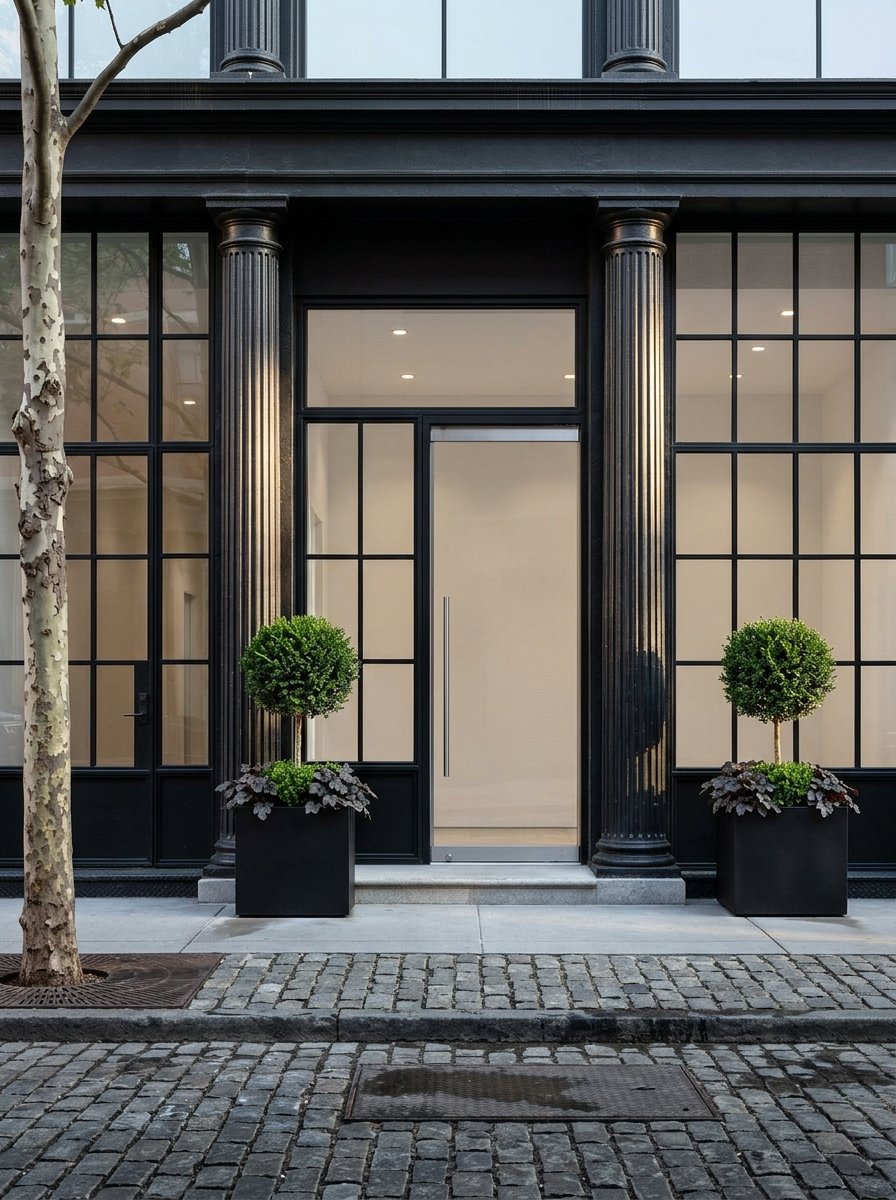
SoHo’s identity is rooted in its building stock, not just its reputation. In 1973, the Landmarks Preservation Commission designated the SoHo-Cast Iron Historic District, protecting about 500 buildings across 25 city blocks. That preserved a remarkable collection of post-Civil War store-and-loft buildings with cast-iron fronts and architectural styles that include Italianate, Second Empire, Queen Anne, Romanesque Revival, and Renaissance Revival.
That preservation matters because it keeps SoHo visually cohesive. The district was later extended in 2010 to protect adjoining streetscapes and additional cast-iron buildings. In a city that constantly reinvents itself, SoHo still feels like SoHo because its physical character has been protected.
Why lofts feel different here
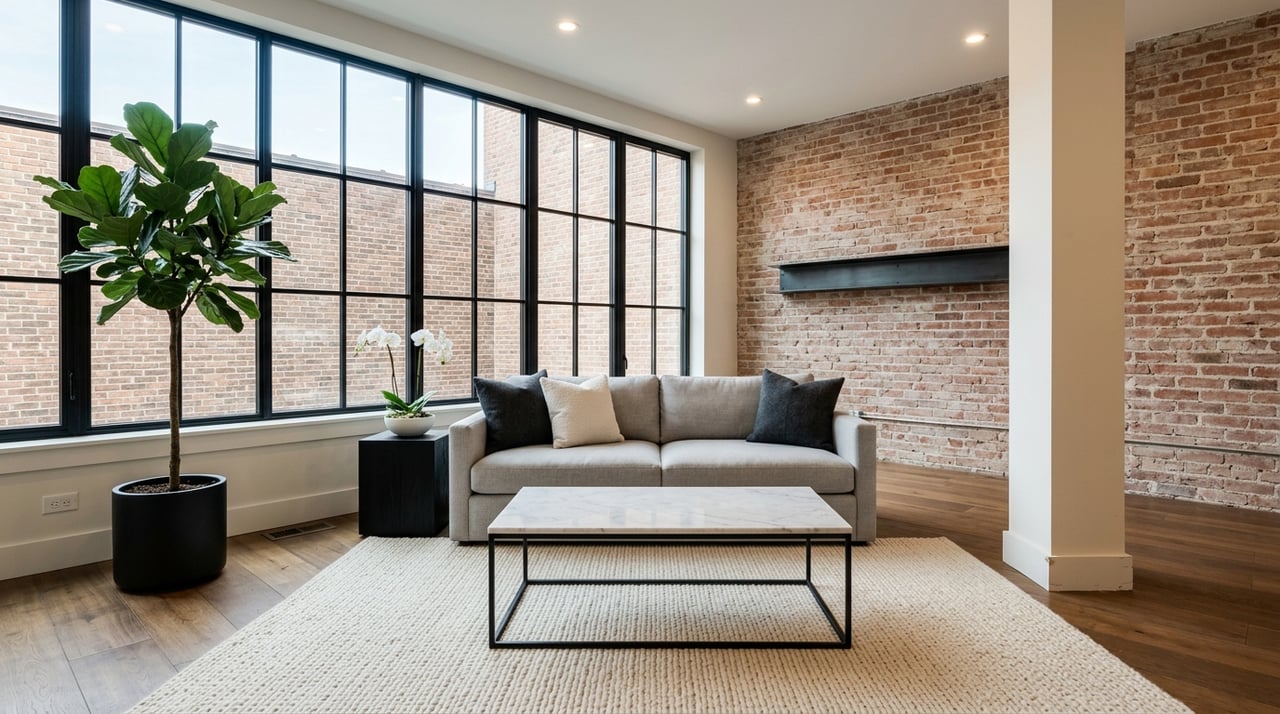
A classic SoHo loft does not read like a standard apartment. Many buildings began as former textile factories or other industrial spaces, which helps explain the open floor plans and larger, more flexible interiors often associated with the neighborhood. Instead of a layout defined by smaller rooms, the appeal is usually volume, flow, and the freedom to shape the space around your lifestyle.
That difference is a big part of the neighborhood’s staying power. Buyers who are drawn to loft living often want architecture with presence, not just square footage on paper. In SoHo, the bones of the building are often part of the luxury.
Street life defines the lifestyle
SoHo is not just a place where people live. It is a mixed-use neighborhood where residential, office, creative, and retail spaces exist side by side. New York City Planning describes SoHo and NoHo as dynamic mixed-use neighborhoods, and its 2021 neighborhood plan focused on expanding housing opportunities, supporting the creative economy, and preserving live-work and arts and cultural uses while maintaining historic character.
That mixed-use character shapes daily life in a real way. Ground-floor retail, busy sidewalks, galleries, restaurants, and constant movement all contribute to the feeling that SoHo is active, visible, and connected. You are not stepping into an isolated residential pocket. You are living inside a downtown streetscape that remains part of New York’s cultural and commercial rhythm.
The public realm matters too
Even the streets help define the mood. The city’s cobblestone rehabilitation work on Wooster Street is a reminder that the texture of SoHo is not limited to the interiors. The blocks themselves contribute to the neighborhood identity.
This is one reason SoHo still feels cinematic. The architecture, the pavement, the storefronts, and the foot traffic all work together to create a place that feels instantly recognizable.
Why buyers still want SoHo lofts
At the high end of the market, buyers are often looking for something more specific than a new finish package or a polished lobby. They want a home with a point of view. SoHo lofts continue to attract attention because they offer a combination that is hard to duplicate: preserved 19th-century architecture, flexible living space, and a downtown address with strong visual identity.
That appeal is also tied to scarcity. Since the neighborhood’s historic character is protected and current planning rules do not allow towers, SoHo is less about endless new supply and more about a limited set of distinctive properties. That helps explain why the neighborhood remains closely tied to place and why certain lofts continue to command premium attention.
A premium market with a clear audience
StreetEasy’s current snapshot places SoHo among Manhattan’s most expensive neighborhoods. It reports a median sale price of $3.4 million, a median base rent of $5,995, and median sales days on market of 58.
Those numbers reinforce an important point. SoHo loft living is usually a deliberate lifestyle choice, not a default one. It tends to fit buyers who value architectural authenticity, open space, and a distinctly downtown feel, and who are comfortable with an older building environment and the pace that comes with the neighborhood.
What everyday living can feel like
SoHo is highly walkable and full of activity. That is part of the draw, but it is also part of the tradeoff. StreetEasy describes the neighborhood as hectic, crowded with tourists, vendors, boutiques, galleries, restaurants, and fashion traffic, especially on weekends.
For some buyers, that energy is exactly the point. For others, it can feel like a lot. If you are considering a loft here, it helps to be honest about whether you want a lively street scene outside your door or a quieter residential setting.
Convenience and character often come together
One of the best parts of loft living in SoHo is that the ground floor often becomes part of your daily routine. You are surrounded by street-level activity, which can make the neighborhood feel convenient, social, and visually engaging. In that sense, SoHo offers more than an apartment. It offers a full urban experience.
That said, convenience in a historic neighborhood can come with quirks. Some properties are walk-ups, and some are co-ops, which can shape both daily use and the purchase process. Two lofts in the same neighborhood can feel very different depending on the building type and legal structure.
The tradeoffs are part of the story
The same openness that gives lofts their character can also limit privacy. Large open-plan spaces can work beautifully for entertaining, displaying art, or creating flexible living zones, but they may not suit every buyer. If you want many enclosed rooms, lots of separation, or heavily partitioned storage-oriented layouts, a classic loft may feel less intuitive.
This does not make loft living better or worse. It simply makes it more specific. The right fit depends on how you actually live day to day.
Not all SoHo lofts are the same
It is easy to talk about SoHo lofts as if they are one category, but they are not. Historic cast-iron buildings, walk-ups, co-ops, and conversion-era units can all fall under the SoHo umbrella. Each can offer a different balance of scale, convenience, privacy, and building rules.
That is why a polished listing description never tells the whole story. In SoHo, the details behind the address matter just as much as the aesthetic.
Legal status matters in SoHo
This is one of the most important realities for buyers. In SoHo, a loft’s legal status can matter as much as its design. The NYC Loft Board regulates the legal conversion of certain lofts from commercial or manufacturing use to residential use, and that can affect how a unit is occupied and understood.
The city also distinguishes between different categories of use. The Department of Cultural Affairs states that working-artist certification is required for Joint Living-Work Quarters for Artists in the M1-MA and M1-MB zoning districts. The Department of Buildings also states that interim multiple dwelling units that have entered Loft Board jurisdiction may be occupied as residential use without that artist certification.
Why due diligence is essential
The 2021 SoHo and NoHo zoning changes created the Special SoHo-NoHo Mixed Use District and introduced a voluntary path to convert existing conforming Joint Living-Work Quarters for Artists use to residential use. Existing JLWQA use can continue under prior occupancy restrictions.
For a buyer, the practical takeaway is simple. In SoHo, you should evaluate the building’s zoning, occupancy status, and Loft Board context with care. The finishes may be beautiful, but the legal framework is a key part of understanding the property.
Why SoHo still defines downtown cool
Plenty of neighborhoods are fashionable. Very few combine preserved historic architecture, authentic loft layouts, active mixed-use streets, and a luxury market that still feels deeply rooted in place. That is the difference with SoHo.
Its appeal has lasted because it is not built on a passing trend. It is built on a rare combination of architecture, history, street life, and scarcity. If your version of home includes character, flexibility, and a true sense of downtown identity, SoHo still makes a compelling case.
If you are exploring loft living in SoHo or thinking about how to position a downtown property for today’s buyer, Team DeFosset brings a boutique, neighborhood-first approach with curated searches, valuation guidance, co-op board navigation, and concierge-level support across Lower Manhattan.
FAQs
What makes SoHo loft living different from other downtown apartments?
- SoHo lofts often stand out for their preserved cast-iron buildings, open floor plans, and flexible layouts shaped by the neighborhood’s industrial past.
Is everyday life in SoHo quiet or busy?
- SoHo is generally busy, with heavy foot traffic, retail activity, restaurants, galleries, and weekend crowds that create a lively street scene.
Are all SoHo lofts legally the same type of property?
- No. A loft’s status can vary based on zoning, Loft Board jurisdiction, and whether the unit is standard residential use, an interim multiple dwelling, or a Joint Living-Work Quarters for Artists unit.
What should buyers review before purchasing a SoHo loft?
- Buyers should look closely at the building type, legal occupancy status, zoning context, and whether the layout and daily convenience match how they want to live.
Is SoHo still one of Manhattan’s premium markets?
- Yes. StreetEasy’s current neighborhood snapshot reports a median sale price of $3.4 million, a median base rent of $5,995, and median sales days on market of 58.