If you are selling in Tribeca, a basic listing strategy is not enough. In one of Manhattan’s most expensive and most distinct markets, your first impression can shape the entire outcome. That is why a modern luxury listing campaign needs to do more than put your home online. It needs to tell a clear story, reach the right buyers, and launch with purpose. Let’s dive in.
Tribeca demands a smarter campaign
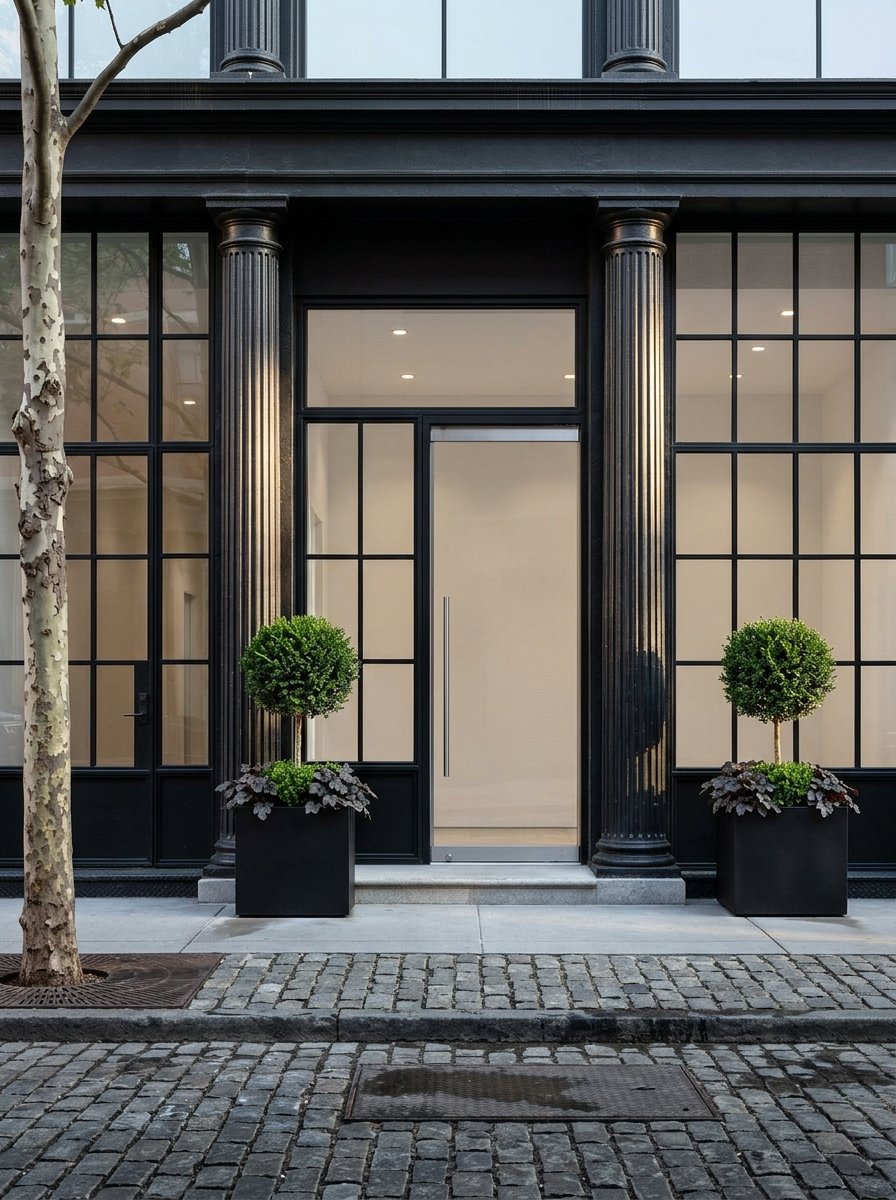
Tribeca is not a plug-and-play condo market. It is a preservation-sensitive downtown neighborhood with a strong architectural identity, especially in its historic districts where store-and-loft buildings, cast-iron storefronts, and open interior layouts help define the streetscape.
That context matters when you list your home. In a neighborhood where design, volume, light, and building character all influence buyer perception, your campaign has to highlight what makes the property feel special from the first image to the final showing.
The numbers also show why strategy matters. Recent market data places Tribeca’s median sale price between roughly $3.4 million and $3.89 million depending on source and timing, with median listing prices even higher. At the same time, transaction volume is relatively thin, which means each listing competes hard for attention.
Price and timing set the tone
In a market like Tribeca, pricing is not just a number. It is part of the marketing. Recent reports show a strong sale-to-list ratio, but they also show that many listings still reduce price after launch.
That combination tells you something important. Buyers are engaged, but they are also selective. If your home enters the market at the wrong price, the first weeks of exposure can slip away quickly.
A modern luxury listing campaign should begin with a comp-based pricing conversation and a defined launch calendar. You want to know how the price was set, what nearby sales informed that decision, and what the plan is if early traffic does not match expectations.
Visual storytelling comes first
Today’s luxury buyers start online, and often on mobile. National buyer trend data shows that most buyers use a mobile or tablet device during their search, many use online video platforms, and more than half found the home they purchased on the internet.
That means your listing campaign has to perform beautifully on a screen before it ever performs in person. For a Tribeca loft, condo, townhouse, or co-op, that usually starts with a media package built for digital-first discovery.
At a minimum, you should expect:
- Professional still photography
- A polished video tour
- Floor plans or room measurements
- Virtual tour assets
- Social media cutdowns designed for mobile viewing
- Thoughtful staging or styling in key rooms
This is where luxury marketing becomes practical. Great visuals are not only about looking polished. They help buyers understand scale, flow, finishes, and how the home lives day to day.
Staging should support the architecture
Staging matters, especially in the luxury space. Recent staging research found that buyers’ agents see staging as a useful way to help buyers visualize a property as a future home, and they continue to rate photos, videos, virtual tours, and physical staging as important listing tools.
In Tribeca, the goal is not to over-style a space. It is to reveal the architecture. If your home has lofty proportions, oversized windows, cast-iron details, exposed materials, or long sightlines, the campaign should make those features legible and memorable.
Sellers should also expect staging choices to focus on the rooms that tend to carry the most visual weight. Industry data points to living rooms, primary bedrooms, and dining rooms as common priorities, and that aligns well with how buyers evaluate luxury homes online.
Video is now a core listing asset
A luxury listing campaign without video can feel incomplete. Buyers are consuming property content in motion, not just through still images. A polished video tour gives shape to the experience of the home and can communicate flow, scale, and mood in a way that photos alone cannot.
That is especially important in Tribeca, where many properties are defined by volume and layout rather than surface details alone. A strong video can show how one room opens to the next, how light travels through the space, and how the home feels at full scale.
For sellers who value presentation, this is where a marketing-first team stands apart. The right campaign treats film, photography, and social edits as part of one coordinated story, not as disconnected add-ons.
Social distribution extends your reach
Creating strong content is only half the job. Distribution matters just as much. Industry technology research shows that social media remains one of the most widely used lead-generating tools in real estate.
For a Tribeca listing, that means your campaign should not stop at the MLS. It should include targeted digital exposure built around where buyers actually spend time, especially on mobile-first platforms where short-form visual content performs best.
Done well, social distribution adds momentum to the launch. It increases repeat exposure, helps your home stay top of mind, and gives the listing a broader digital footprint during the most important early days on market.
The launch window matters most
In a high-priced market with limited transaction volume, the first stretch after your listing goes live is critical. This is when buyers, buyer representatives, and the broader market decide whether your home feels fresh, compelling, and correctly positioned.
That is why a modern campaign should include a clear rollout plan, not just a go-live date. You should know when media is being produced, when the listing will launch, how showings and previews will be handled, and when performance will be reviewed.
If early buyer activity is soft, there should already be a plan for what comes next. In Tribeca, hesitation can cost momentum, and momentum is hard to recreate once the market has moved on.
Historic district details matter
Some Tribeca properties come with another layer of complexity. If your building is landmarked or located within a historic district, visible exterior work may require advance approval from the Landmarks Preservation Commission.
The Commission requires approval for most alterations, reconstruction, demolition, or new construction affecting designated properties, while ordinary repairs and most interior-only work generally do not require review. For a seller, this matters because marketing, prep work, and buyer conversations may need to reflect those realities clearly.
A strong listing agent should be prepared to discuss how building rules and historic district considerations are handled. In Tribeca, operational fluency is part of the value you are hiring.
What to ask before you hire
If you are comparing agents, the right questions often reveal more than a polished pitch. In a neighborhood like Tribeca, you want specifics.
Here are a few smart questions to ask:
- What recent Tribeca sales did you use to set the price?
- What is included in the media package?
- Which rooms will be staged or styled first?
- How will the property be marketed beyond the MLS?
- How do you handle building rules or historic district constraints?
- What is the timeline for launch, review, and possible price adjustment?
These questions help you understand whether the agent is offering a true campaign or just standard listing services with luxury language around them.
What a modern campaign really looks like
At its best, a modern luxury listing campaign in Tribeca blends pricing discipline, visual precision, and neighborhood fluency. It respects the architecture, meets buyers where they search, and builds launch momentum from day one.
For many downtown sellers, that also means working with a team that understands how to position a property editorially. Storytelling matters in luxury real estate, but it works best when it is supported by strong comps, polished media, and a plan that can adapt in real time.
If you want a campaign that feels elevated and efficient, look for a team that combines local expertise with serious production value. That mix can make the process simpler for you and more compelling for the market.
When your home deserves more than generic exposure, the right strategy can shape both the experience and the result. If you are thinking about selling in Tribeca, connect with Team DeFosset to build a campaign that matches the market.
FAQs
What should a Tribeca luxury listing campaign include?
- A strong Tribeca luxury listing campaign should usually include professional photography, a polished video tour, floor plans or room measurements, virtual tour assets, social distribution, and staging or styling for key rooms.
Why does pricing matter so much for a Tribeca home sale?
- Tribeca is a high-value market with relatively limited transaction volume, so the opening list price and first weeks on market play a major role in buyer response and overall momentum.
Do Tribeca sellers need video marketing for a listing?
- Video is an important part of a modern luxury campaign because it helps buyers understand layout, scale, light, and flow, especially for lofts and large downtown residences.
What should sellers ask a Tribeca real estate agent before listing?
- You should ask how the price is being set, what marketing assets are included, which channels will be used beyond the MLS, how building or landmark issues are handled, and what the launch timeline looks like.
Do landmark rules affect selling a Tribeca property?
- They can. For designated properties, the Landmarks Preservation Commission requires advance approval for most exterior alterations and certain other changes, so sellers should understand whether any planned work or visible updates may need review.