Thinking about a NoHo loft but not sure what makes one truly classic? You are not alone. The term “loft” gets used for many styles, yet authentic NoHo lofts share distinct architectural bones, finishes, and regulatory context that sets them apart. In this guide, you will learn the defining features, how they differ from conventional condos, and what to look for during tours and renovations. Let’s dive in.
Core traits of a classic NoHo loft
Cast-iron facades and masonry character
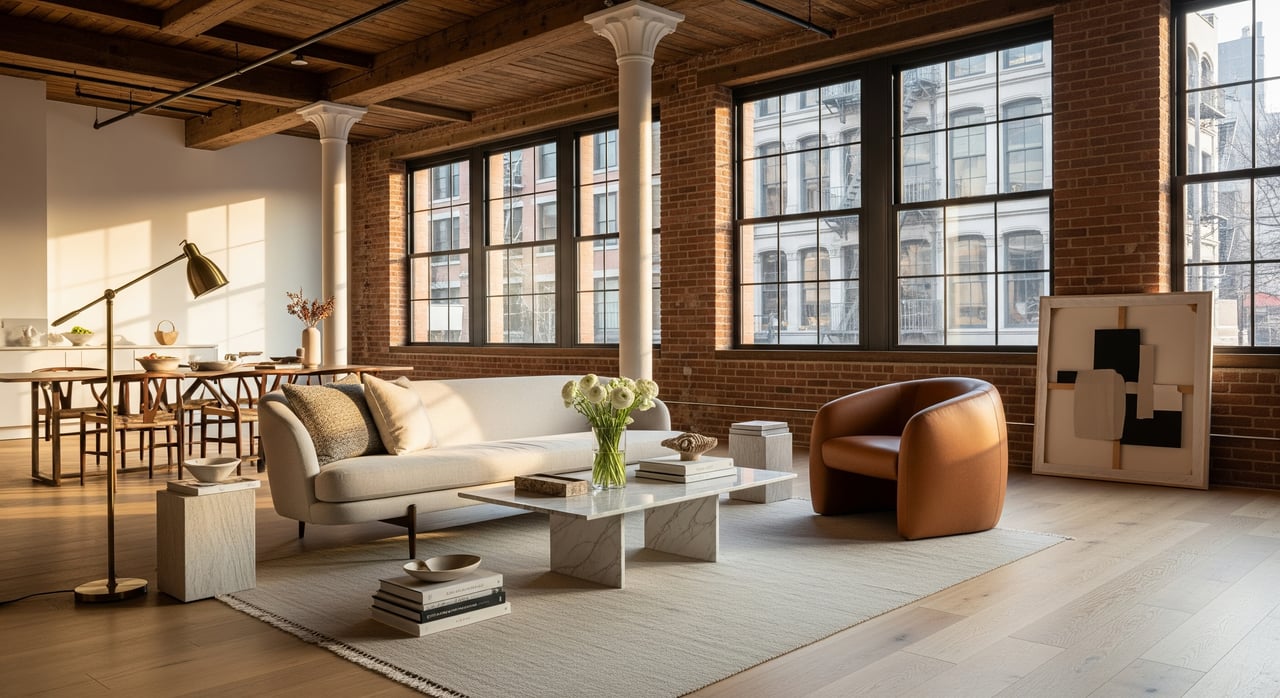
Classic NoHo lofts often live inside 19th-century commercial buildings with ornate cast-iron facades and robust masonry shells. Cast iron allowed slender columns and large window openings, which is why these buildings feel bright and rhythmic from the street. Street levels often read as storefront-scale bays, while upper floors feature generous arched or rectilinear windows.
Oversized windows and daylight
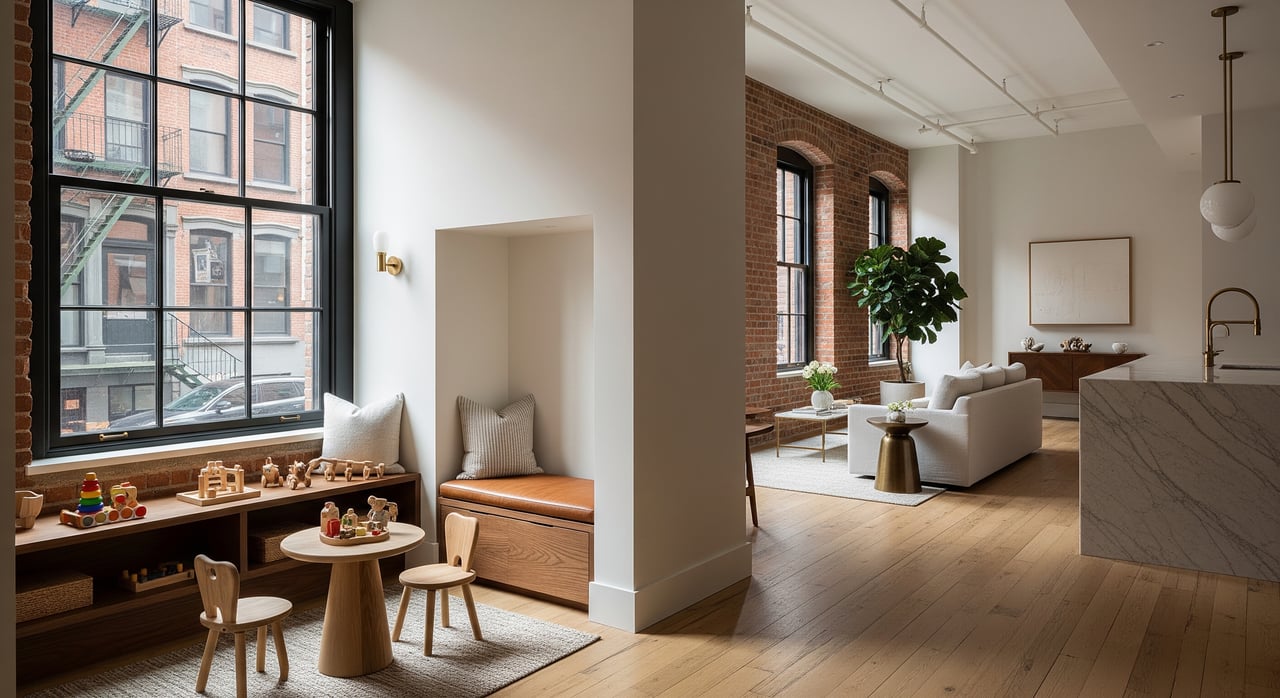
Tall, wide multi-light windows are a signature. They pull broad daylight across the floorplate and create striking views, even on narrow streets. Light quality depends on orientation and depth. If a unit stretches far from the facade, direct daylight typically falls off beyond about 20 to 25 feet, so plan lighting and layout with that in mind.
Ceiling height and volume
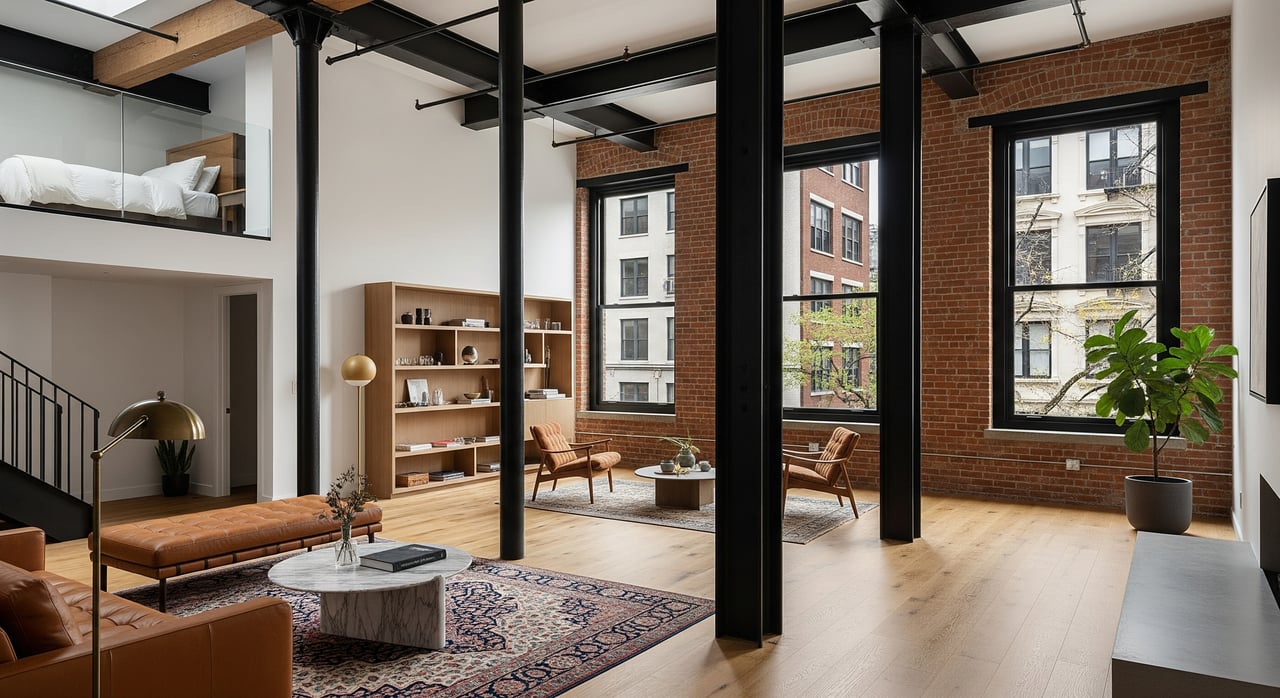
High ceilings are a hallmark. Many classic lofts range from about 12 to over 20 feet in single-level spaces, and that volume changes how rooms live and breathe. The extra height supports dramatic proportions, gallery walls, and in some cases mezzanines or lofted sleeping areas where code allows.
Exposed columns and flexible layouts
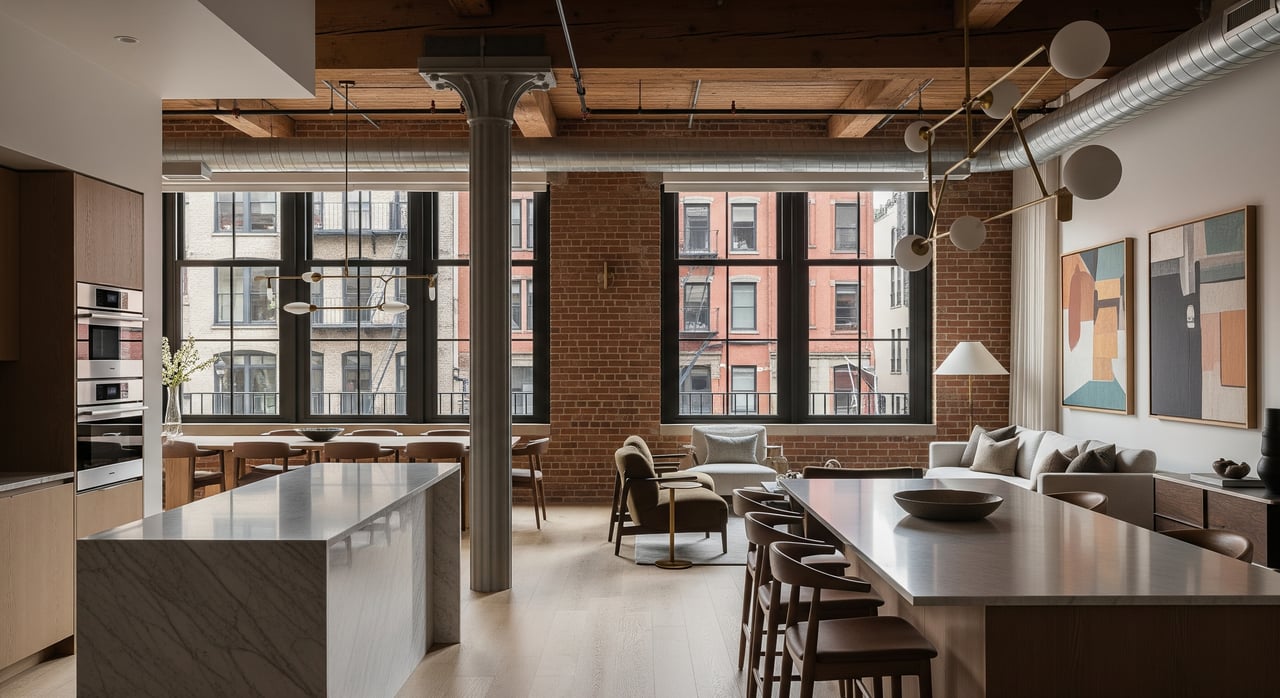
Exposed structural columns and beams are part of the aesthetic and the plan. Cast-iron or steel columns divide the floor into bays, which helps you define living zones without fully enclosing rooms. These columns are structural, so you design around them rather than remove them. The result is flexible, open living that favors islands, partitions, and glass dividers.
Industrial materials and modern inserts
Expect a refined mix of old and new. Original brick, timber or concrete floors, visible ductwork, and steel accents set the tone, while kitchens and baths act as clean contemporary insertions. This contrast is part of the appeal and also a value driver for buyers seeking authenticity.
Building systems and comfort
Because these buildings were not originally residential, mechanical systems are often retrofit. You might see radiators, baseboard heat, or unit-level split systems for cooling rather than centralized HVAC. Window performance varies, especially if original steel frames remain. Many buildings added sprinklers and egress upgrades during conversion, which can influence future layout changes.
NoHo context: history, landmarks, and legalization
NoHo’s core blocks are lined with 19th-century commercial and manufacturing buildings that later adapted to residential, retail, and creative uses. Many properties sit within designated historic districts. That means the Landmarks Preservation Commission reviews exterior changes like window replacements, cornice repairs, and rooftop additions. Landmark status preserves the neighborhood’s architectural fabric and influences what you can and cannot change on the outside.
Some buildings evolved from artist studios and commercial occupancy into legal residences through New York’s Loft Law framework, which the NYC Loft Board administers. That process addresses safety upgrades, work permits, and tenant protections. If you are considering a unit in a building with a loft legalization history, you will want to confirm status, completed work, and the current certificate of occupancy.
Loft vs conventional condo: key differences
Structure and envelope
A classic loft expresses structure. Columns and beams are visible and define the space, and window bays are larger than in many residential buildings. Conventional condos conceal structure behind drywall, and window openings are sized and spaced for residential standards.
Plan and privacy
Lofts favor open plans with kitchens and baths inserted as self-contained elements. You create privacy with partitions, glass walls, and strategic furniture placement. Condos deliver defined rooms and predictable circulation, which offers turnkey privacy but less flexibility.
Ceiling height and scale
Lofts typically have taller ceilings, which amplifies volume and light. Condos usually range closer to 8 to 10 feet. If volume and wall height for art displays matter to you, a loft will likely feel more dramatic.
Mechanical systems and services
In lofts, heating and cooling solutions vary by building and sometimes by unit. Condos usually have standardized residential-grade HVAC, plumbing stacks, and sound separation. If you prefer uniform systems and ease of service, a newer condo may align better. If you value character and can manage individualized systems, a loft can be very rewarding.
Regulation, approvals, and resale
Landmark rules can limit exterior changes to loft buildings, and some properties intersect with Loft Law histories. Condos run under conventional bylaws and are often simpler to finance and modify within building rules. Authentic lofts tend to command a premium for historic fabric, ceiling height, and architectural character, especially in neighborhoods like NoHo where genuine conversions are finite.
What to look for on a tour
Daylight and sightlines
- Check window orientation and bay size. Look for how far daylight travels into the plan.
- Note neighboring building heights and any courtyards that affect light and privacy.
Ceiling height and mezzanine potential
- Measure clear heights and identify obstructions like ductwork or beams that affect mezzanine feasibility.
- Ask whether prior mezzanine proposals were approved or denied.
Columns and layout planning
- Map column spacing to understand where furniture and bedroom partitions can go.
- Consider how columns impact kitchen placement and circulation.
Windows and thermal comfort
- Identify original single-pane steel windows versus retrofitted or double-glazed units.
- Ask about sound, drafts, and any landmark approvals needed for future window work.
HVAC, heat, and hot water
- Confirm heating type and age, cooling solution, and service responsibilities.
- Ask about building-wide hot water capacity and any known constraints.
Life safety and egress
- Look for sprinklers, fire alarms, and clear egress paths. Confirm that the unit’s layout matches the certificate of occupancy.
Renovations and approvals in NoHo
Interior work that touches structure, egress, or wet areas typically needs Department of Buildings permits. Mezzanines must meet headroom, egress, and structural rules. If the building is landmarked, exterior work like window replacement or rooftop additions require Landmarks Preservation Commission approval. If the property has any Loft Law considerations, the NYC Loft Board framework can add steps to the process. Before you sketch plans, align with building management on what is allowed and gather any past filings or approvals that guide feasibility.
Sound behavior is another planning factor in open volumes. Rugs, partial-height partitions, acoustic wall finishes, and thoughtful speaker placement help manage reverberation without closing the space down. If you are enclosing bedrooms, consider doors and seals that support quiet while maintaining the loft aesthetic.
Ownership and financing basics
Many older loft conversions are co-ops, while more recent offerings skew condominium. Co-ops may have more detailed renovation approvals and stricter subletting policies. Condos are often easier to finance and sell to out-of-area buyers. Regardless of ownership type, verify the certificate of occupancy, check for open Department of Buildings violations, and review building rules for renovations, window work, and rooftop use. If Loft Law history is present, confirm legalization status and any required upgrades that were completed.
Is a classic NoHo loft right for you?
Choose a classic NoHo loft if you value volume, daylight, and the honesty of historic materials. Expect to plan around columns, tailor privacy with partitions, and coordinate approvals for any exterior or structural work. If you prefer standardized systems, ready-made room counts, and simpler approvals, a conventional condo may suit you better. The right choice comes down to how you want to live and what you want the space to express.
Ready to refine your search or evaluate a specific building’s history, approvals, and options? Connect with Team DeFosset for a curated shortlist, renovation guidance, and board navigation that aligns with your goals.
FAQs
What ceiling heights define a classic NoHo loft?
- Many classic NoHo lofts range from roughly 12 feet to over 20 feet in single-level volumes, though exact heights vary by building and floor.
Are the large windows in NoHo lofts energy efficient?
- Original steel windows are often single-pane and less insulating. Some units have retrofits that improve comfort, which can require landmark approvals in historic districts.
Can you add a mezzanine in a landmarked NoHo loft?
- Often yes, if interior conditions and code requirements are met. Mezzanines need Department of Buildings approvals, and exterior changes still require Landmarks review.
How do classic NoHo lofts differ from new “loft-style” condos?
- New condos may mimic tall windows and exposed elements but use modern residential structure and systems. Classic lofts retain historic fabric, columns, and open industrial floorplates.
What permits are needed to renovate a NoHo loft?
- Structural, egress, or plumbing work needs Department of Buildings permits. Exterior window or rooftop changes in historic districts require Landmarks approval, and some buildings have Loft Law considerations.
Is financing different for co-op lofts compared to condos?
- Often yes. Co-ops can involve stricter board approvals and policies, while condos are generally simpler for underwriting and resale. Always confirm ownership type and building rules early.